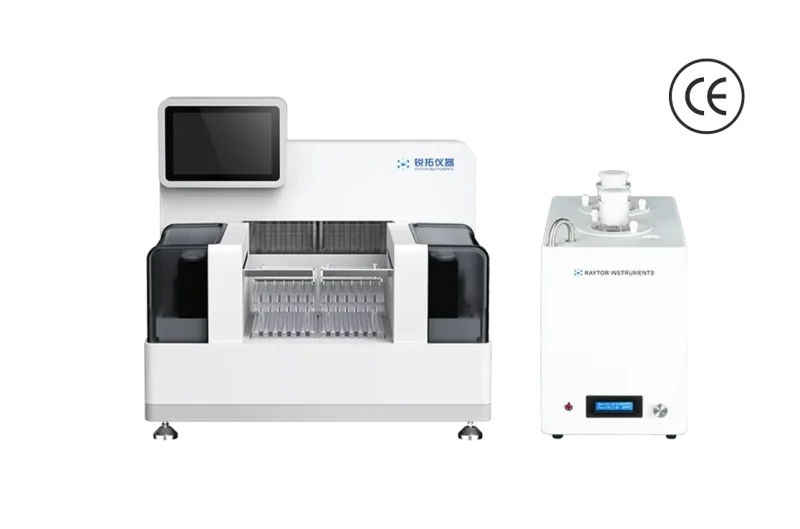

Porcine Skin Utilization

Due to its convenience and safety, transdermal drug delivery has become the preferred route for treating localized diseases and, in some cases, for systemic administration. The transdermal permeation profiles of drugs directly govern the efficacy and safety of topical formulations, rendering this assay an indispensable core evaluation step in formulation R&D. Regulatory agencies such as the U.S. Food and Drug Administration (FDA) recommend Franz diffusion cell systems as the standard apparatus for in vitro skin permeability studies, while the selection and preparation of biomembranes are critical factors affecting the reliability of the results. Due to its high similarity to human skin in terms of stratum corneum thickness, epidermal structure, hair follicle distribution, and ceramide content, porcine skin yields experimental results of exceptional reference value and is widely recognized as the “gold standard” biomembrane for in vitro permeation studies. Combining cutting-edge industry research with practical experience, this article shares the standardized preparation process for porcine skin and key application points in the Franz diffusion cell, providing a directly implementable technical solution for the development of topical formulations.
Get Free Quote
| Test apparatus | Franz Diffusion Cell System |
| Biomembrane | Porcine ear (auricle) skin |
| Preferred integrity test | Transepidermal Water Loss (TEWL) |
| Acceptance criterion | TEWL < 15 g/m²·h |
I. Standardized Preparation Process for Porcine Ear Skin Biomembranes (I) Preliminary Preparation and List of Materials 1. Materials: Porcine auricles 2. Equipment: Scissors, tissue forceps, scalpels, etc. 3. Storage Supplies: -20 °C freezer, vacuum bags, ice packs, etc. (II) Step-by-Step Preparation Procedure 1. Raw Material Collection and Pretreatment: Select undamaged porcine auricles and immediately store them at low temperatures to maximize skin viability. Avoid crushing or impact during transportation to prevent skin damage. 2. Cleaning and Hair Trimming: After cleaning and disinfecting the work area, remove the porcine auricles, rinse them under running water, shave off the hair, and inspect them for integrity. 3. Skin Separation and Degreasing: Fix cleaned porcine auricles onto a dissection board and use tools such as scissors and scalpels to separate the skin from the muscle and cartilage tissues (taking care to avoid damaging the skin). Subsequently, remove the subcutaneous fat tissue. 4. Storage and Preparation: The processed porcine ear skin can be used immediately for experiments or vacuum-sealed and stored at -20 °C.
II. Porcine Ear Skin Integrity Testing In In Vitro Permeation Test (IVPT) experiments, porcine skin integrity testing is a critical step for ensuring data reliability and verifying that the skin’s barrier function is intact. In addition to visual inspection, at least one or two of the following integrity tests must be performed before mounting the skin on a Franz diffusion cell. (1) Transepidermal Water Loss (TEWL) method (preferred method) (2) Skin Resistance/Conductance Method (Rapid Screening Method) (3) Tritium Water Permeation Method (Supplementary Validation Method) Among these, the Transepidermal Water Loss (TEWL) method is often the preferred method for skin integrity testing due to its speed and simplicity. It reflects the barrier integrity of the skin’s stratum corneum by measuring the rate of water evaporation from the skin surface. The procedure is as follows: 1. Thaw the porcine skin and place it on a Franz diffusion cell, then allow it to equilibrate at room temperature for approximately 30 minutes. 2. Position the probe of the calibrated TEWL meter vertically against the surface of the porcine skin and record the average of three readings as the final result.

Typically, a TEWL value < 15 g/m²·h indicates that the porcine skin is suitable for experimentation; if this value is exceeded, the porcine skin must be replaced for testing.
III. Application Value and Experimental Advantages
Porcine ear skin acts as an optimal biomembrane for in vitro permeation studies. When combined
with the Franz diffusion cell system, it can accurately simulate the process of drug transdermal
permeation, providing reliable in vitro data to support formulation optimization and efficacy
evaluation. This approach offers the following core advantages:
1. High biological relevance: Porcine ear skin is highly similar in structure to human skin, making
the experimental results far more relevant than those from other animal skins;
2. Accurate and traceable data: When combined with an automated sampling transdermal diffusion
system and HPLC detection, the entire process—from sampling to analysis—is fully traceable,
meeting GMP compliance requirements;
3. Broad applicability: It can be used to evaluate the penetration characteristics of various topical
formulations, including ointments, creams, gels, and nanocarrier formulations.
Whether for generic drug bioequivalence evaluation or innovative formulation R&D at
pharmaceutical companies, or for research into transdermal drug delivery mechanisms at scientific
institutions, the combination of porcine skin and the Franz diffusion cell system can help
accelerate the R&D process and market launch of topical formulations.