Home / News

News

Stay informed with Dissolution Tester News, featuring the latest advancements, industry trends, and updates in pharmaceutical testing technology. Discover new features, regulatory changes, and innovative solutions for accurate drug release analysis, ensuring quality and compliance in drug development and manufacturing.

Filter by Popular Tags

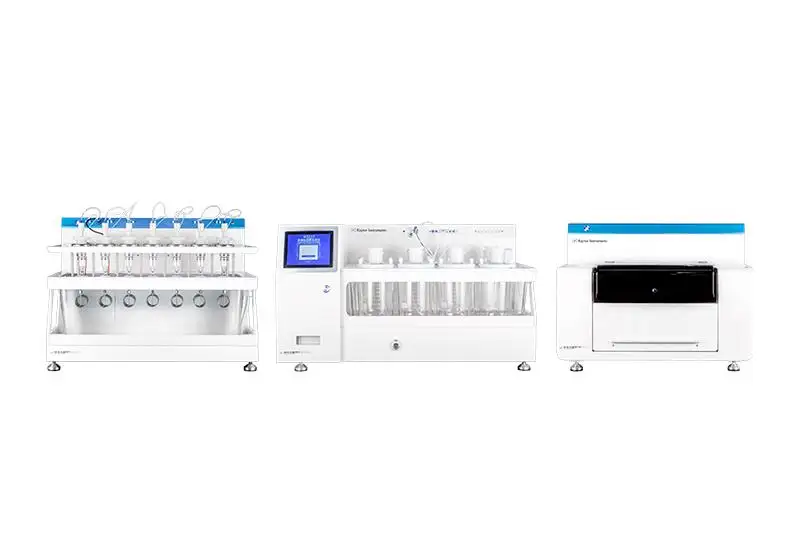
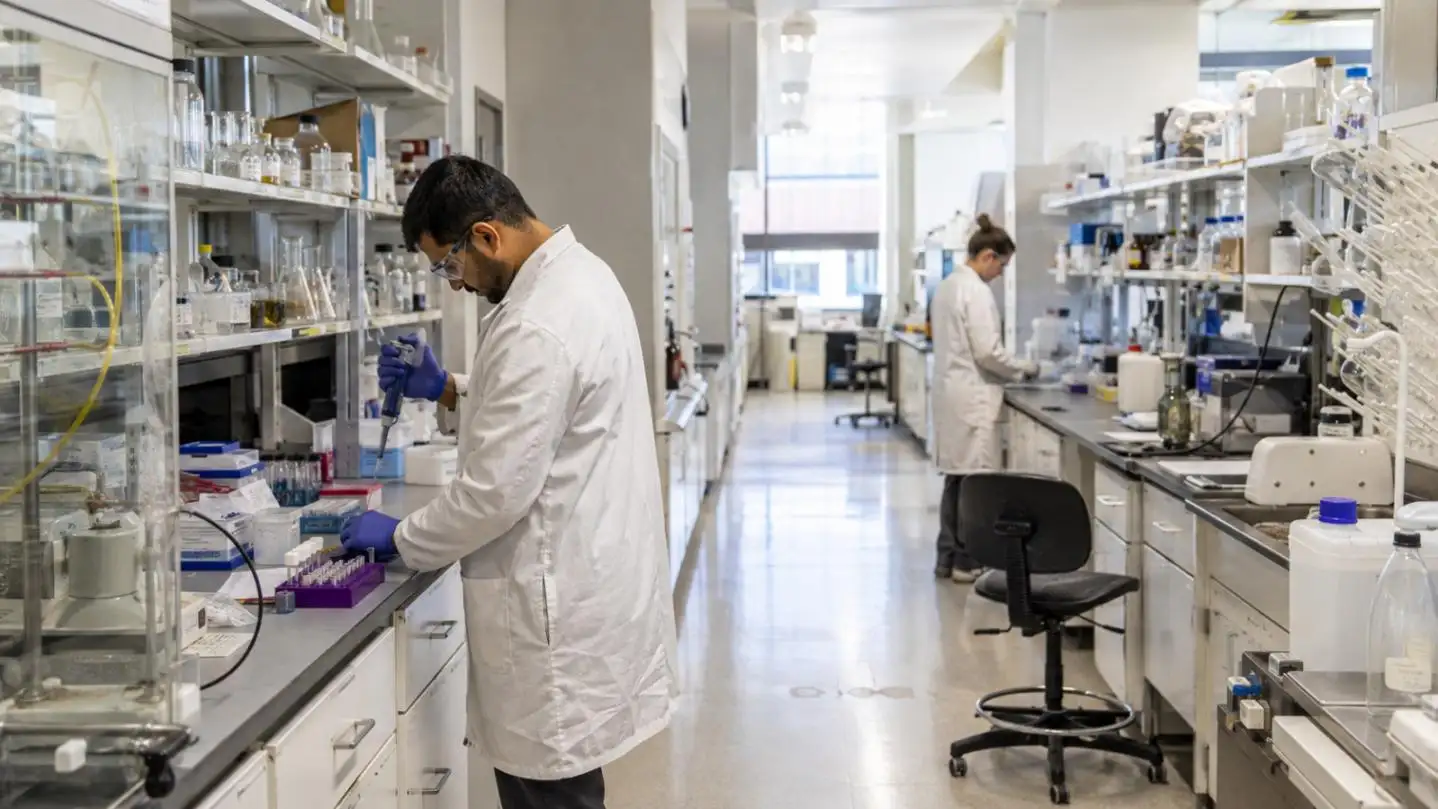
Integrated Laboratory Automation Systems

Integrated Laboratory Automation Systems With Online Filtration Autosampling

Integrated Laboratory Automation Systems are becoming the practical backbone of modern dissolution QC, and the fastest gains often come from one upgrade: Online Filtration Autosampling. At Raytor, we design the ...

By hqt

2026-02-26

Lab Automation Tools for Research

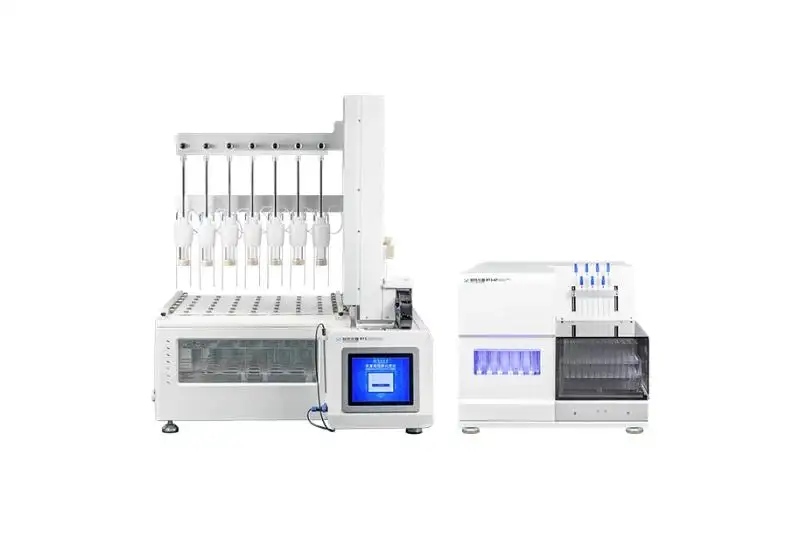
Lab Automation Tools for Research: What Multi-Batch Testing Solves

Lab Automation Tools for Research is changing what “a full day of dissolution testing” looks like, because Multi-Batch Testing turns repeated, stop-and-go work into one controlled, continuous workflow. At Raytor, ...

By hqt

2026-02-26

Lab Automation Solutions

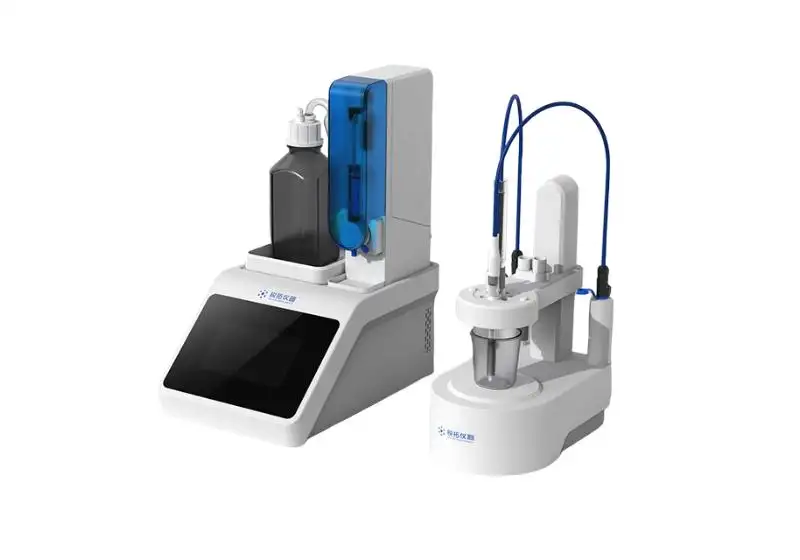
2026 Lab Automation Solutions: Faster Multi-Channel Sampling

Lab Automation Solutions are accelerating lab throughput in 2026, but the real breakthrough is Faster Multi-Channel Sampling—because sampling is where time, accuracy, and manpower collide. From Raytor's perspective, the RT-Auto ...

By hqt

2026-02-25

USP Dissolution Testing

What USP Dissolution Testing Reveal About Tablet Performance?

USP Dissolution Testing is one of the clearest windows into how a tablet actually behaves after it leaves the bottle—because it measures drug release under controlled, repeatable conditions that can ...

By hqt

2026-02-24

Lab automation for drug research and quality control is changing dissolution testing from a repetitive, hands-on routine into a controlled, repeatable workflow that teams can trust in 2026. At Raytor, we design automation to solve the problems QC labs face every day: peak workloads, tight compliance expectations, and the constant risk of small manual errors turning into big investigation reports. What Dissolution Testing Proves, and Why It Still Matters in 2026 Dissolution is not just “watching a tablet dissolve.” It is a performance check that helps confirm a drug product releases its active ingredient in a consistent way. That is why dissolution remains one of the most common test items in pharmacopoeias and a core method in pharmaceutical quality control. For beginners, it helps to remember one simple point: dissolution connects the dosage form to real-world use. If your process is stable, your dissolution curves are stable. If your process drifts, dissolution often shows it early. This is exactly where lab automation for drug research and quality control becomes practical—not as a “nice-to-have,” but as a way to protect daily release decisions with stronger repeatability. Where Manual Dissolution Workflows Usually Break Down Most labs do not fail because they lack knowledge. They struggle because the workflow has too many moments that depend on perfect human repetition, especially when the lab is busy. Common friction points include: ✓ Media dispensing that varies slightly between runs ✓ Cup cleaning that is “good enough” on a calm day but inconsistent at peak hours ✓ Sampling and filtration steps that create timing differences across vessels ✓ Data handling steps that add risk for audit findings and rework These issues are not always dramatic. They are small. But dissolution is sensitive to small variation. Over time, those small variations can become “why did this batch behave differently?” questions that consume hours. Raytor’s approach is to automate the steps that create variation, while keeping the method logic clear for operators and reviewers. RT900 Series: Multi-Batch Automation Built for Real Lab Throughput The Raytor RT900 Series Multi-batch Automatic Dissolution System is designed for high-efficiency operation with less human interaction. In practical terms, it can run 10 consecutive batch tests with unattended execution, which helps labs plan capacity instead of reacting to queues. • Instead of only “moving faster,” the goal is to move more consistently: • Exact media distribution helps reduce vessel-to-vessel differences that can distort results. • Precise temperature and speed control supports repeatable conditions across long sequences of testing. • Automated online filtering via a high-end autosampler makes sampling steps more uniform and reduces operator timing differences. When these pieces work together, lab automation for drug research and quality control becomes a throughput tool and a quality tool at the same time. Labs can run more work per shift while also lowering the risk of investigations caused by inconsistent handling. Cleaning and Contamination Control: Turning a Pain Point Into a Standard Step Multi-batch testing only works when cleaning is not an afterthought. If residue carries into the next run, results become harder to defend. RT900 is built to perform complete vessel cleaning using optimized spray techniques. The system is designed for spraying without dead angles, with cleaning fluid and cleaning time parameters set to reduce residue risk between batches. For a QC team, the benefit is simple and practical: ✓ Lower carryover risk across multiple batches ✓ Less dependence on individual cleaning habits ✓ More stable baselines when comparing batch-to-batch behavior This is one of the most overlooked advantages of lab automation for drug research and quality control. Automated cleaning is not just about saving labor. It is about making “clean” a repeatable condition, not a personal skill. Data Integrity and Compliance: Making Records Easier to Trust In 2026, dissolution is not only about the curve—it is also about the record. If your data trail is weak, even good results can become difficult to release. RT900 supports FDA 21 CFR Part 11-aligned operation with real-time monitoring and strong data storage design. For many teams, the most practical feature is long-term method and record management: the system can store at least 15 years of experimental methods and records without data overwriting risk. That matters because it supports: • Faster retrieval during audits and internal reviews • Cleaner method control over time • Better continuity when teams change or sites expand In short, lab automation for drug research and quality control should not create a “black box.” It should create a clearer, more defensible workflow—where method settings, results, and records stay organized and review-ready. Typical Applications and How to Choose the Right Automation Setup Basket and paddle methods (commonly referred to as USP 1/2) are widely used legal dissolution methods across national pharmacopoeias. They are also the most common starting point for labs building an automation roadmap. RT900 supports USP 1/2 method processing and is commonly applied in QC dissolution testing for: • General tablets • Immediate-release tablets • Enteric tablets • Extended-release tablets If you are selecting automation for the first time, think in “workflow questions” instead of only specifications: ✓ How many batches do you need to run per day during peak periods? ✓ Do you need unattended operation to relieve staffing pressure? ✓ Is cleaning consistency a known investigation risk at your site? ✓ Do you need long-term method and record retention to match your quality system? CTA: Plan Your 2026 Dissolution Capacity With Raytor If the goal is to scale, standardize USP 1/2, or reduce manual risk, Raytor will help map a practical route. Let’s review your sample types, daily throughput, and compliance requirements—then define an RT900 configuration that fits your QC lab, not just a datasheet.

Lab Automation For Drug Research And Quality Control In Dissolution Testing(2026)

Lab automation for drug research and quality control is changing dissolution testing from a repetitive, hands-on routine into a controlled, repeatable workflow that teams can trust in 2026. At Raytor, ...

By hqt

2026-02-23

Optimize Your Semi-Solid Preparation Testing with Raytor Immersion Cell Model B

https://youtube.com/shorts/dQS7AL319xo?si=Xd9YobSIl7SbYO6s Precision is key in pharmaceutical R&D. Our latest video provides a step-by-step guide on setting up the Raytor Immersion Cell (Model B), specifically designed for testing the performance of ...

By RAYTOR

2026-02-11