

Understanding the Functionality of Diffusion Cells
2025-10-29


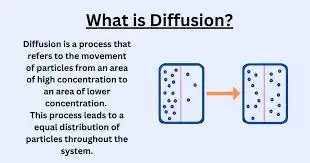
 A diffusion cell is a laboratory apparatus used to study the movement of substances. At its core, it consists of two compartments separated by a barrier. This barrier can be a membrane that allows certain molecules to pass while blocking others. The purpose is to simulate and analyze how substances, like drugs or water, move across cell membranes.
Basic Components
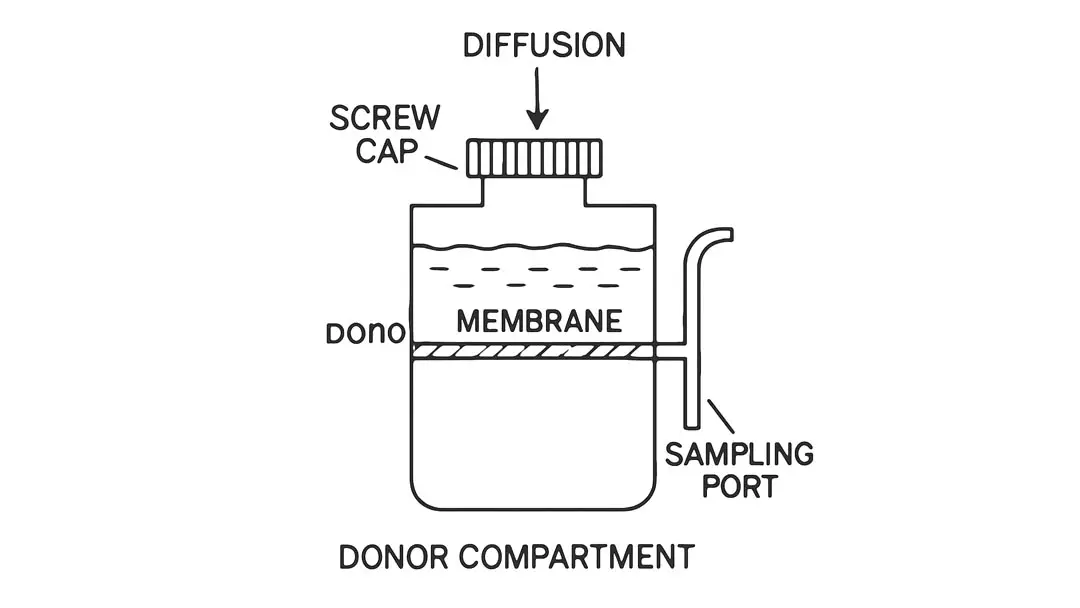
The diffusion cell structure is elegantly simple yet highly effective. It typically consists of a donor chamber and a receptor chamber. The donor chamber holds the substance of interest, while the receptor chamber collects the substance after it diffuses through the barrier. Between these chambers lies a membrane, which could be synthetic or biological, simulating the skin or another type of barrier.
Membrane Selection
Choosing the right membrane is crucial as it determines the permeability and selectivity of the diffusion process. Researchers can select from natural, synthetic, or semi-synthetic membranes depending on the study's objectives. Each type of membrane offers distinct advantages and potential limitations, influencing the diffusion rate and the experiment's overall outcome.
Operational Environment
The operational environment within a diffusion cell is meticulously controlled. Variables such as temperature, pH, and agitation can be adjusted to mimic physiological conditions or to investigate specific scenarios. This precision allows researchers to conduct detailed studies on how different factors affect the movement of substances across barriers.
Types of Diffusion Cells
There are various types of diffusion cells, but the most commonly used one in research is the Franz diffusion cell. Let's delve a little deeper into this specific type.
Franz Diffusion Cell
The Franz diffusion cell is a powerful tool widely used in pharmaceutical and cosmetic industries. It helps scientists study how a substance penetrates the skin or a similar barrier. Its design allows for easy sampling from the receptor chamber without disrupting the experiment, making it highly efficient for repeated measures over time.
Side-by-Side Diffusion Cells
Side-by-side diffusion cells offer an alternative to the Franz model, where two chambers are placed next to each other. This arrangement can be advantageous for studying substances that might interact differently when exposed to varying concentrations or environmental conditions. These cells are often used for comparative studies and when multiple samples need to be analyzed simultaneously.
In Vitro and Ex Vivo Models
Diffusion cells can be adapted for in vitro or ex vivo studies. In vitro models use synthetic membranes, while ex vivo models use biological membranes sourced from animals or humans. These models provide insights into real-world scenarios, offering a balance between artificial and natural conditions to assess how substances behave across biological barriers.
Franz Diffusion Cell: A Closer Look
The Franz diffusion cell is a cornerstone in the study of transdermal penetration. By providing insights into how substances move through the skin, it aids in developing safer and more effective products.
Structure of a Franz Diffusion Cell
 A typical Franz diffusion cell comprises two main parts:
- Donor Chamber: This is where the substance of interest, like a drug or cosmetic, is placed. It can hold various formulations, including gels, creams, or liquids, offering versatility in testing different product types.
- Receptor Chamber: This is filled with a fluid that mimics bodily fluids, which collects the substance after it diffuses through the barrier. The choice of receptor fluid can be adjusted to simulate different body environments, enhancing the relevance of the findings.
Membrane Dynamics
Between these chambers lies a membrane, which could be synthetic or biological, simulating the skin or another type of barrier. The integrity and thickness of the membrane are critical parameters. They must be carefully maintained to ensure consistent and reliable results, reflecting the true permeability characteristics of the barrier being studied.
How It Works
The substance in the donor chamber begins to move towards the receptor chamber. The rate and extent of this movement are what researchers measure, providing insights into the permeability of the membrane to that substance. This process involves careful monitoring and sampling over time, allowing researchers to construct a detailed profile of the diffusion process.
The Diffusion of Water Across a Cell Membrane
One of the most vital processes diffusion cells help us study is the diffusion of water across a cell membrane, known as osmosis. This process is crucial for maintaining cellular function and homeostasis, affecting everything from nutrient uptake to waste removal.
Osmosis Explained
Osmosis is the movement of water molecules from an area of low solute concentration to an area of high solute concentration through a semi-permeable membrane. This process ensures that cells maintain the right balance of water and solutes, which is essential for their survival. The semi-permeable nature of the membrane allows selective permeability, which is vital for maintaining cellular integrity and function.
Importance in Cellular Function
Osmosis plays a key role in various cellular processes. It helps maintain turgor pressure in plant cells, facilitates nutrient absorption in animal cells, and regulates fluid balance in tissues. Disruptions in osmotic balance can lead to conditions such as dehydration or edema, highlighting the importance of understanding osmosis for medical and biological research.
Osmosis in Action
In diffusion cell experiments, osmosis can be observed by measuring changes in concentration and volume over time. By simulating conditions found in living organisms, researchers can gain insights into how water movement affects cellular behavior and how various factors might influence this process.
Applications of Diffusion Cells
Diffusion cells are not just limited to academic research. They have a wide array of applications across various industries, contributing to product development, safety testing, and environmental assessments.
Pharmaceutical Industry
In the pharmaceutical field, diffusion cells are essential for testing drug delivery systems. By understanding how drugs permeate through biological membranes, companies can develop more effective and targeted therapies. This knowledge is crucial for designing transdermal patches, oral drugs, and other delivery methods that require precise control over absorption rates.
Cosmetic Industry
In cosmetics, Franz diffusion cells help in evaluating how active ingredients penetrate the skin. This is crucial for developing products that are both effective and safe for consumers. By ensuring that ingredients reach their intended targets without causing irritation or adverse effects, companies can enhance product efficacy and consumer satisfaction.
Environmental Science
Diffusion cells are also used in environmental studies to understand how pollutants move through soil and water. This knowledge is vital for assessing environmental risks and developing strategies for pollution control. By simulating natural conditions, researchers can predict the spread of contaminants and devise effective remediation techniques.
Advantages of Using Diffusion Cells
 by National Cancer Institute (https://unsplash.com/@nci)
Diffusion cells offer several benefits to researchers and industries alike:
Controlled Environment
They provide a controlled setting to study the movement of substances, eliminating variables that might affect results. This control allows for precise manipulation of experimental conditions, making it easier to isolate specific factors and their effects on diffusion processes.
Versatility
Diffusion cells are suitable for testing a wide range of substances and membranes. Whether it's a new pharmaceutical compound or a cosmetic ingredient, these cells can accommodate various formulations and barriers, providing valuable insights across different applications.
Cost-effectiveness
Compared to in vivo studies, diffusion cells are more economical and easier to replicate. They offer a practical alternative for early-stage research, reducing the need for costly and time-consuming animal or human trials while still providing reliable data.
Challenges and Limitations
Despite their advantages, diffusion cells do have some limitations:
Complexity of Biological Systems
A diffusion cell cannot fully replicate the complexity of living organisms. While they provide useful insights, the interactions and dynamics within a living system are far more intricate, necessitating complementary studies to fully understand biological processes.
Barrier Selection
The choice of membrane can significantly impact the results, requiring careful selection and validation. Researchers must ensure that the membrane used accurately represents the barrier of interest, as variations in membrane properties can lead to discrepancies in diffusion rates and outcomes.
Time-consuming
Experiments can be lengthy, particularly when studying slow-diffusing substances. The need for repeated measurements and careful monitoring over extended periods can make diffusion cell studies labor-intensive, requiring meticulous planning and execution.
Conclusion
Diffusion cells, and particularly Franz diffusion cells, are indispensable tools in scientific research and industry. They allow us to understand the fundamental processes of diffusion, including the critical movement of water across cell membranes. By enabling detailed study of how substances move through barriers, diffusion cells help drive innovation and ensure safety in pharmaceuticals, cosmetics, and beyond.
Understanding the functionality and applications of diffusion cells not only enriches our scientific knowledge but also enhances our ability to develop better products and solutions in various fields. Through continued advancements in technology and methodology, the potential of diffusion cells will undoubtedly expand, offering even more insights into the microscopic world that sustains life and industry. As we continue to refine these tools, their impact on research and development will grow, paving the way for breakthroughs in medicine, environmental science, and beyond.