

Automation Trends in Franz Diffusion Cell for Transdermal Patches Testing Systems
2026-08-23


Why Automation Is Reshaping Franz Diffusion Cell for Transdermal Patches Testing
Evaluating transdermal patches has become progressively challenging along with the development of advanced drug delivery systems, generic transdermal products, and topical formulations. An apparatus for in vitro permeation and release testing using a Franz Diffusion Cell for Transdermal Patches allows laboratory simulation of the formulation-biological membrane diffusion process.
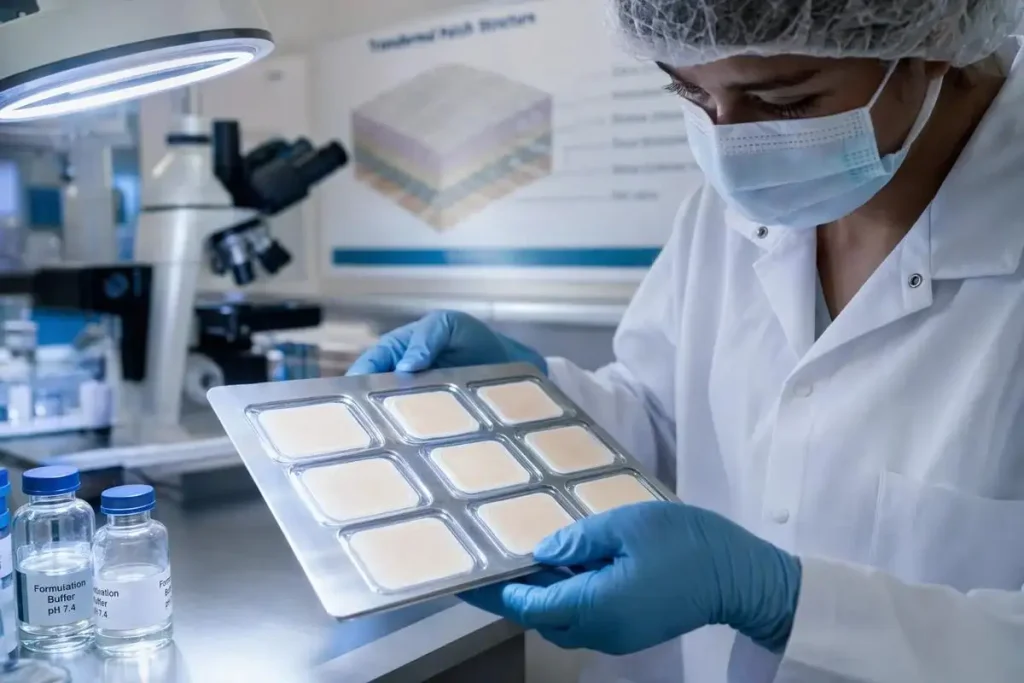
While one of the advantages of this cell is that each diffusion experiment can be performed in a controlled manner, Franz diffusion testing still requires the experimenter to note and interpret a myriad of subjective and objective factors. The sampling and temperature stability of the receptor medium, removal of bubbles, and even the order of handling of the receptor medium can affect the permeation process.
The primary functions of automation in a pharmaceutical laboratory are no longer executive but rather the development of systems which provide better control over:
•The reproducibility of data for parallel studies
•Sampling consistency over long studies
•Control of automated workflow
•Increasing laboratory throughput for formulation screening
•Compliance with the requirements of pharmaceutical testing
From Manual Control to Automated Control: The Main Technical Challenges
In a conventional Franz diffusion test, the following critical steps are performed manually:
•Preparing the diffusion cells and memebrane
•Controlling the temperature of the receptor medium
•Sampling and replacing the receptor medium
•Record sampling parameters
Of these steps, the last mentioned, subjective parameters of the experimental observations, may be of greater concern, but the others may also adversely affect the objectivity of the experiment. Automation of these steps may therefore be of greater importance for validation studies or for multiple formulation testing, when subjective factors cannot be controlled.
The main issues are:
| Testing Issue | Impact on Franz Diffusion Results |
| Sampling Time Deviation | Changes concentration-time profiles |
| Operator Technique | Creates variation between experiments |
| Temperature Fluctuations | Influences diffusion rate |
| Air Bubbles in Receptor Chamber | Reduces effective diffusion area |
| Sampling Cross Contamination | Effects analytical accuracy |
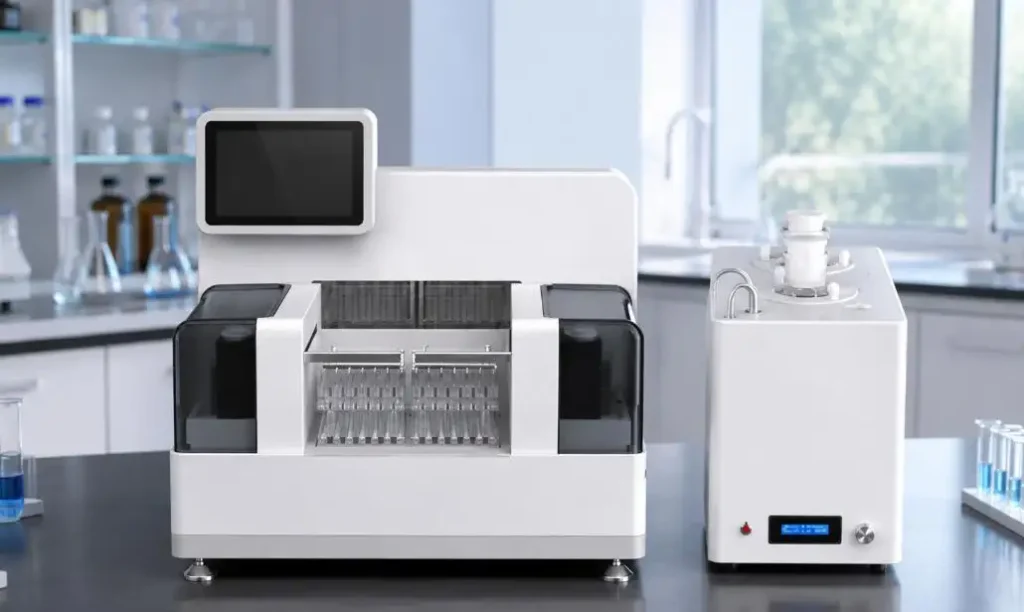
These issues can be resolved by an automated Franz Diffusion Cell for Transdermal Patches, by integrating sampling, temperature, and mechanical control into a single uniform testing framework.
How Automated Franz Diffusion Cell for Transdermal Patches Improves Data Reliability
Precise Automated Sampling for Better IVPT Repeatability
Alterations in accuracy of sampling affect calculation of critical parameters of cumulative drug permeation and steady-state flux. Automated systems should provide control over the following:
•Sampling frequency
•Sampling volume
•Medium replacement
•Stability of the sampling pathway
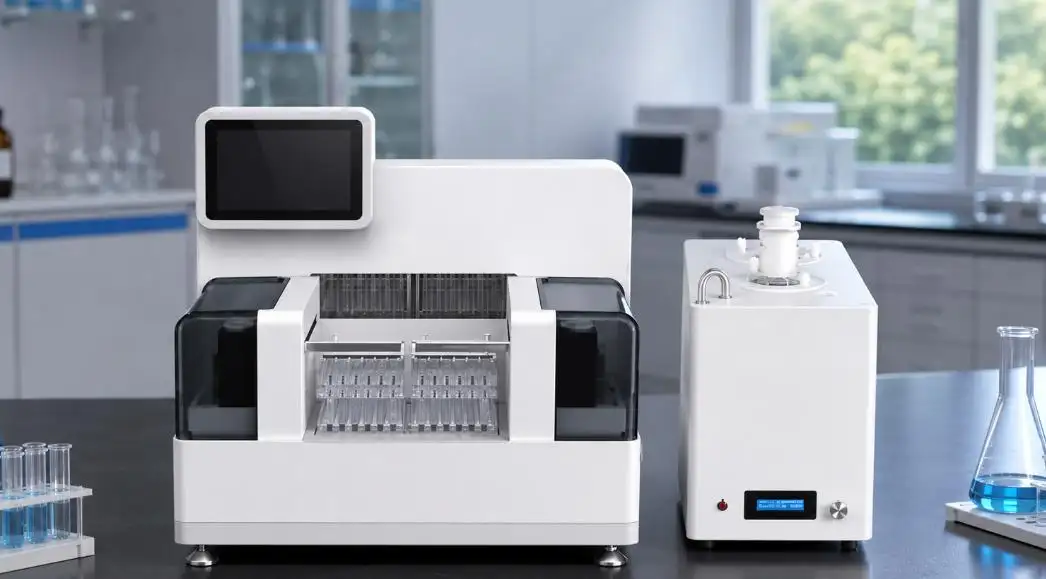
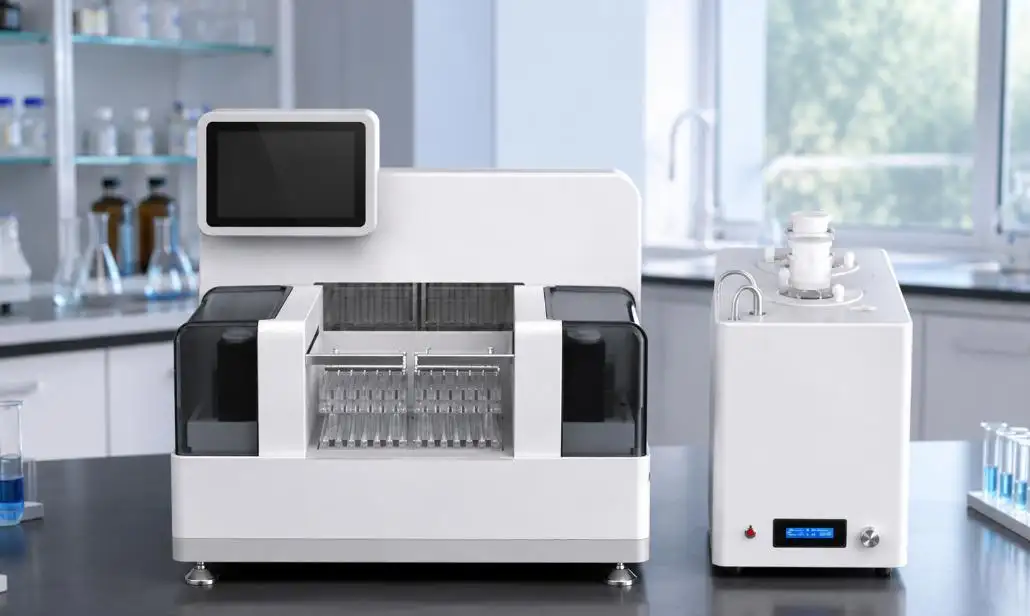
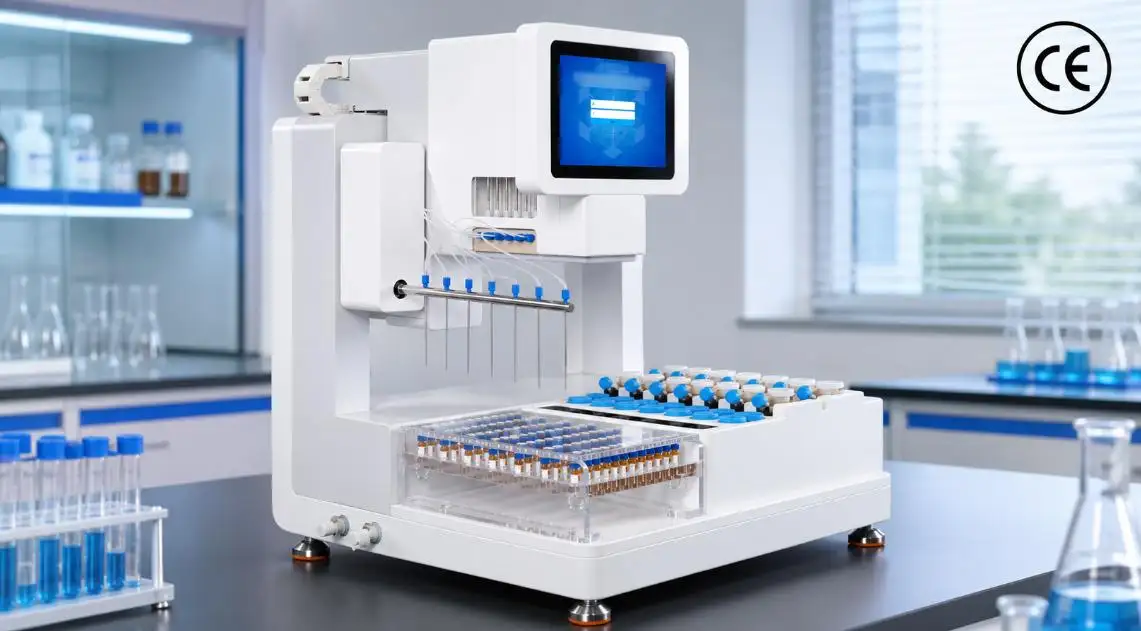
Automated transdermal diffusion module by Raytor integrates a flexible sampling module with an automatic sampling module that supports partial and full sampling. The module offers 24 sampling spaces, and each sampling space is independent and supports sampling from 1 to 10 mL. Since the sampling volume is adjustable, laboratories can optimize sampling based on the characteristics of formulations and the limitations of analyses. This approach also greatly reduces the effect of human sampling on permeation studies.
Essential Characteristics that Affect Performance of Franz Diffusion Cell
Temperature Stability: The Foundation of Reproducible Diffusion Testing
Among the several controlling factors in transdermal permeation studies, temperature is of the most significance. Variations in temperature of the receptor medium may influence the behavior of the drug.
A professional Franz Diffusion Cell for Transdermal Patches should be equipped with:
•Stable heating mechanism
•Uniform temperature distribution throughout the cell
Raytor's automated diffusion system uses dry heating technology, which allows the system to maintain a stability of ± 0.5 ° C in the temperature range of 20 - 50 ° C while conducting an IVPT (in vitro permeation test).
Stirring Control and Hydrodynamic Conditions
Important factors include:
•Stirring speed range
•Mechanical stability
•Consistency between diffusion positions
The system enables control over hydrodynamic conditions in the range of 200–900 rpm (stirring speeds) with the speed error within ±10% resulting in stability for laboratories to conduct the tests as per various methods.
Comparison of Different Franz Diffusion Cell Automation Solutions
Manual Sampling vs. Automated Sampling
| Criteria | Manual Franz Diffusion Cell | Automated Franz Diffusion Cell |
| Sampling accuracy | Depends on operator timing | Timing is controlled by the program |
| Labor requirement | High during long studies | Labor is reduced |
| Repeatability | Affected by human operation | Consistency is improved |
| Multiple time-point studies | più difficili | It is feasible |
Automation is especially useful when comparative formulation studies are carried out where identical testing under similar conditions needs to be done for numerous samples.
Single Testing Position vs. Multi-Position Franz Diffusion Systems
The number of diffusion cells should match laboratory requirements rather than simply maximizing capacity.
| Requirement | Suitable Configuration |
| Small formulation screening | Lower cell quantity |
| Multiple formulation comparison | Multi-position system |
| Method development | Flexible sampling configuration |
| Routine QC testing | High repeatability platform |
Raytor's automated system utilizes a 7x2 diffusion cell arrangement with 14 sampling channels, so multiple samples can be tested at the same time with independent control.
Engineering Design Features That Affect Testing Accuracy
Bubble Management and Diffusion Cell Design
Bubbles of air trapped between the membrane and the receptor medium disrupt diffusion pathways, thereby giving erroneous permeation data.
Most advanced Franz diffusion systems eliminate this problem by incorporating:
•Bubble removal devices
•Well-designed filling mechanisms
•Stable cell positioning devices
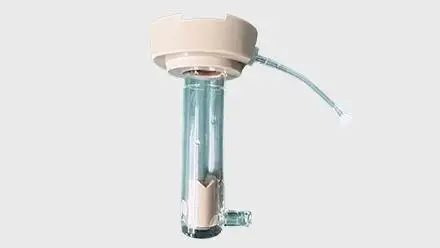
Raytor has developed an automatic tilting structure to remove air bubbles during testing, to provide complete contact between the sample and the receptor medium. The diffusion cell has a glass integrated structure which has a reduced risk of leakage and stable sealing.
Independent Sampling Pathways Lessen Cross Contamination
Design of pipelines in an automated Franz diffusion system directly affects the integrity of a sample.
A well-designed system should reduce:
•Residual liquid volume
•Sample carryover
•Cleaning difficulty
Raytor's system adopts separate pipeline designs for diffusion cells, allowing individual sampling control and reducing the possibility of cross contamination between test positions.
Regulatory Considerations for Automated Franz Diffusion Cell Systems
When selecting a Franz Diffusion Cell for Transdermal Patches, pharmaceutical laboratories should consider whether the system supports recognized testing frameworks.
Important references include:
| Standard / Guideline | Application |
| USP <1724> | Performance testing for semisolid drug products |
| EP 9.0 <2.9.4> | Dissolution test requirements for transdermal patches |
| IQ/OQ/PQ principles | Equipment qualification and validation |
Raytor's automated diffusion system is designed for IVRT and IVPT applications according to USP <1724> and EP 9.0 related requirements, supporting pharmaceutical laboratories in establishing controlled testing procedures.
Closing Words
Choosing an automated Franz diffusion solution requires evaluating more than equipment specifications. Laboratories should consider:
•Diffusion cell consistency
•Sampling accuracy
•Temperature control capability
•Maintenance requirements
•Validation support
•Long-term technical service
Automation will eventually simplify transdermal testing with more consistent data. Balance in experimental flexibility and standardization of operation is needed with a Franz Diffusion Cell for Transdermal Patches.
Integrated diffusion cell design coupled with sophisticated automation for sampling, thermal control, and component safety features, makes Raytor the best choice for research laboratories. The automation of IVPT/IVRT processes increases efficiency and repeatability. Experience in pharmaceutical testing methods matched with customized instrumentation manufacturing, gives customers the ability to build a testing infrastructure that is reliable.
FAQs
Q1. What is a Franz Diffusion Cell for Transdermal Patches used for?
A Franz Diffusion Cell for Transdermal Patches is used for the in vitro testing of drug release and drug permeation through semi-permeable membranes from transdermal drug delivery systems. It allows scientists to examine the drug permeation and the flux at a steady-state.
Q2. How does Raytor improve testing consistency in Franz diffusion experiments?
Raytor improves consistency with automated sampling, controlled temperature and multiple configurations of the diffusion cell. These features eliminate some inconsistencies caused by manual control that are problematic during long-term IVPT studies.
Q3. What sampling functions are available in Raytor's automated diffusion testing system?
Raytor's automated sampling system permits 24 sampling events that can be programmed. Individual sampling volumes can be set between 1 and 10 mL. This allows a researcher to select an automatic sampling system based on the demands of a particular formulation and analysis.
Q4. How does Raytor maintain temperature stability during Franz diffusion testing?
Raytor uses a controlled dry heat system to sustain the stable testing environment. The system provides temperature adjustment from room temperature to 50°C with a temperature error of ±0.5°C and thus helps to improve permeation testing.
Q5. How many samples can be tested simultaneously with Raytor's Franz diffusion system?
Raytor's fully automated Franz diffusion system has a 14 position system, allowing independent sampling of multiple transdermal drug delivery systems or formulations simultaneously.