

Key Parameters Affecting Transdermal Diffusion Tester for Topical Formulations Accuracy
2026-08-22


Importance of Accuracy and Repeatability with Topical Formulation Testing
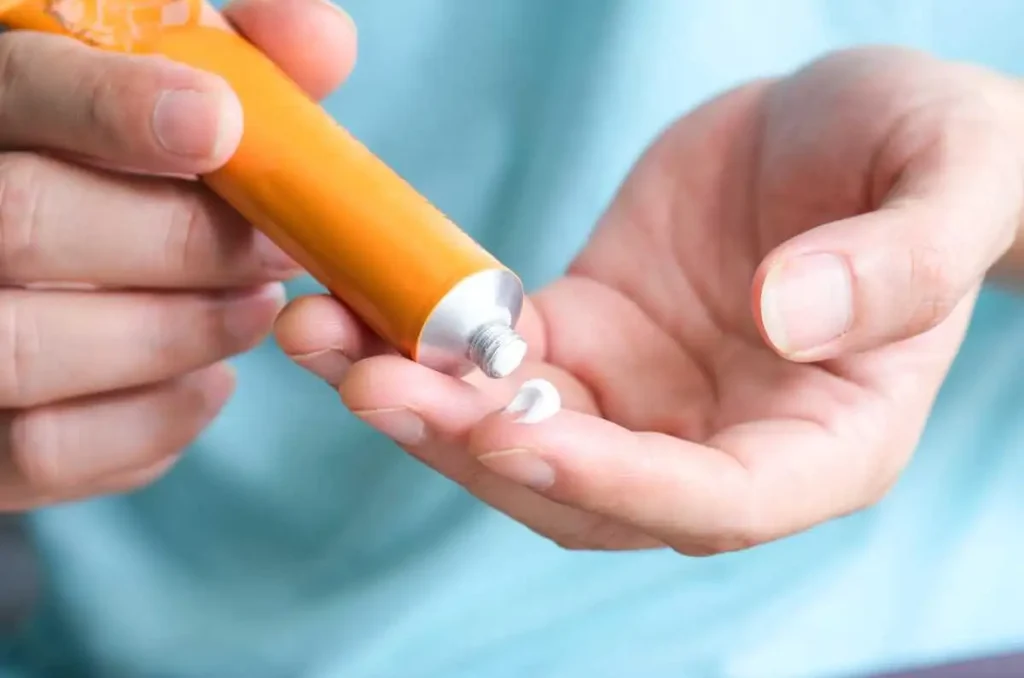
Topical and transdermal products make use of methods which analyze the release and barrier permeation of active pharmaceutical ingredients (APIs). The release and permeation of APIs in topical formulations occur via interaction with properties of the formulation, barrier resistance, diffusion, and receptor media rather than the simple dissolution and permeation of an oral dosage form.
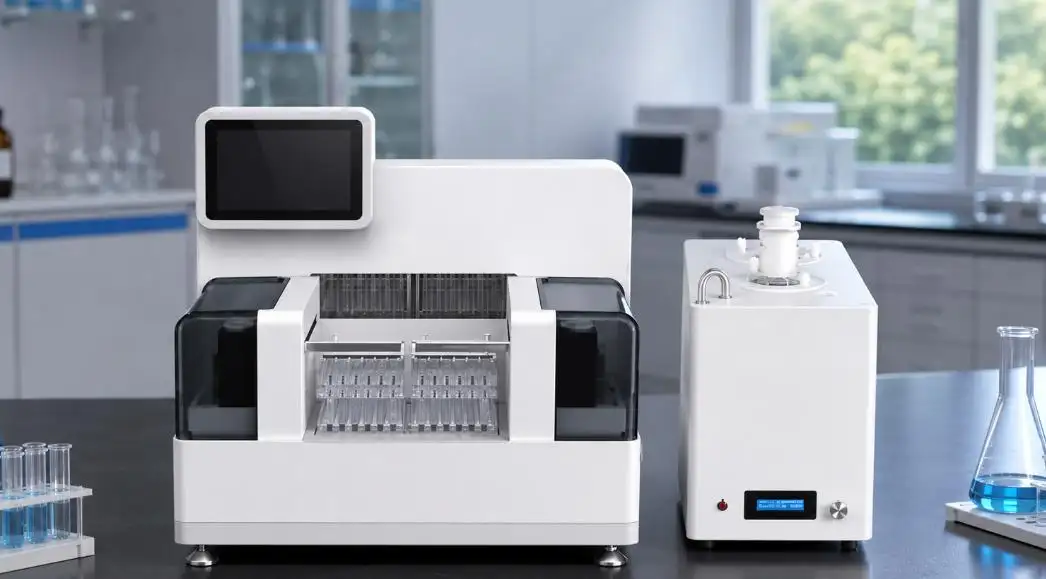
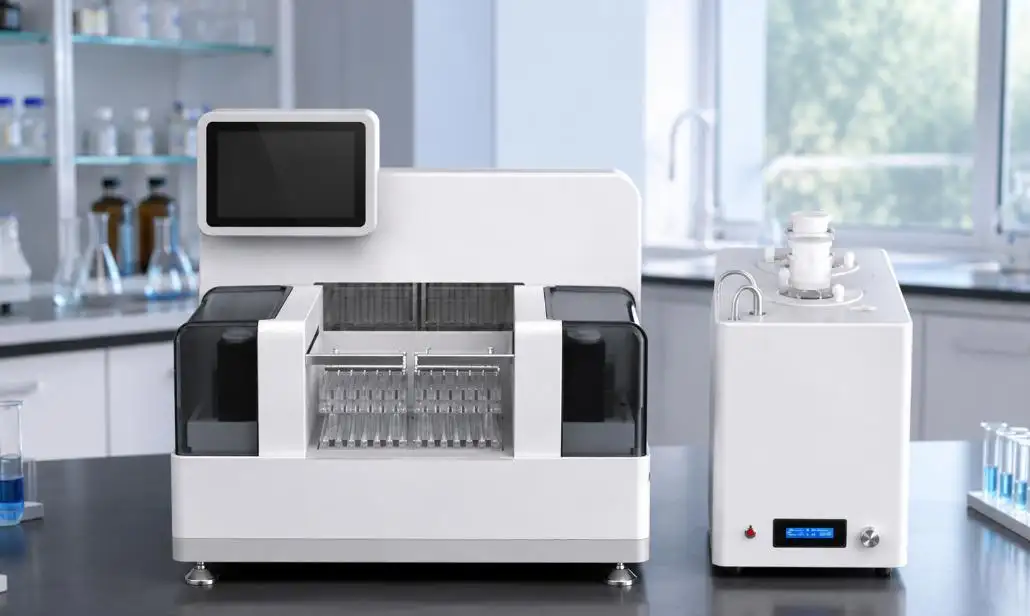
The Transdermal Diffusion Tester based on Franz Diffusion cell technology is the most common instrument for In Vitro Release Testing (IVRT) and In Vitro Permeation Testing (IVPT). The tester provides vital data on the cumulative amount released and the permeation rate and flux.
Although the diffusion cell is a key component, accuracy in diffusion testing is a combination of several factors. Those factors include, but are not limited to, the cell design, temperature, hydrodynamics, timing of samples drawn, installation of the membrane, and the conditions of the receptor.
For pharmaceutical laboratories, the main challenge is not simply obtaining a diffusion curve but ensuring that the curve is repeatable, comparable, and scientifically meaningful.
Temperature Stability Determines Diffusion Reliability
Temperature is one of the most influential parameters in a Transdermal Diffusion Tester for Topical Formulations because drug diffusion behavior is closely related to molecular mobility, viscosity, and solubility.
A small temperature difference between diffusion cells may cause:
• Different drug release rates
• Variation in permeation flux
• Poor comparison between formulation batches
For IVRT and IVPT studies, laboratories normally require stable physiological testing conditions. Therefore, temperature control should focus on:
• Uniform heating between multiple diffusion cells
• Accurate temperature monitoring
• Stable operation during long experiments
Raytor's diffusion testing system employs dry heating technology in the temperature range of 25°C–45°C with a temperature error of ≤±0.5°C. The thermal stability in this range minimizes variability in evaluating topical formulations.
Diffusion Cell Geometry Directly Impacts Data Comparability
The design of the diffusion cell impacts the formulation's exposure to the membrane.
The main characteristics of the design to consider are:
• Effective Diffusion Area
• Alignment of the Donor and Receptor Chambers
• Position of the Membrane
• Sealing
The reason this is important is because the permeation of a drug is related to the drug amount and the exposed diffusion area. Any inconsistency in the position of the membrane or the cell geometry can lead to sample differences that are not real.
Therefore, transdermal diffusion testers for topical formulations should provide standardized structures of Franz diffusion cells that reduce operator-related variability.
Raytor has designed a Franz diffusion cell according to the recommendations of the USP <1724> for the performance testing of semisolid products. The structure of the system ensures stable experimental conditions during IVRT and IVPT studies, and facilitates the loading of the samples.
Stirring Control Maintains Stable Hydrodynamic Conditions
The hydrodynamic conditions of the system are stable with the presence of stirrer control.
The receptor solution should not be allowed to concentrate at any localized spot because of poor mixing.
Raising the speed of stirring beyond the level needed for good mixing would be of no benefit and may create a situation of poor mixing.
The key aim is to achieve:
• Constant rotational speed
• Constant mixing conditions
• Diminished variation between test positions
Raytor's system covers a stirring range of 200-900 rpm, with speed error controlled within <±10%. Researchers can select an appropriate stirring range for specific hydrodynamic requirements for the formulation.
For example:
| Formulation Type | Main Testing Consideration |
| Low-viscosity gel | Maintaining uniform receptor concentration |
| High-viscosity cream | Avoiding localized concentration differences |
| Ointment | Supporting long-duration diffusion stability |
| Transdermal patch | Maintaining consistent permeation conditions |
Membrane Selection Affects Permeation Interpretation
The membrane is not only a physical separator; it determines the resistance pathway during diffusion.
Different membrane models provide different testing purposes:
| Membrane Model | Main Application | Testing Characteristics |
| Synthetic membrane | Method development | High repeatability |
| Animal skin | Biological simulation | Higher variability |
| Human skin model | Advanced IVPT research | Higher physiological relevance |
A common pitfall is choosing a membrane based on permeability. The appropriate choice depends on whether the aim is formulation screening, quality comparison, or evaluation of biological performance.
A suitable Transdermal Diffusion Tester for Topical Formulations should allow for diverse membrane configurations and multiple experimental procedures.
Automated Sampling Lowers Variability
Accurate sampling impacts the reliability of the release and permeation curves.
There are a host of issues associated with sampling, including:
• Timing issues
• Volume sampling errors
• Disruption of the medium
• Operator variability
These issues are most problematic in lengthy studies involving multiple sampling points.
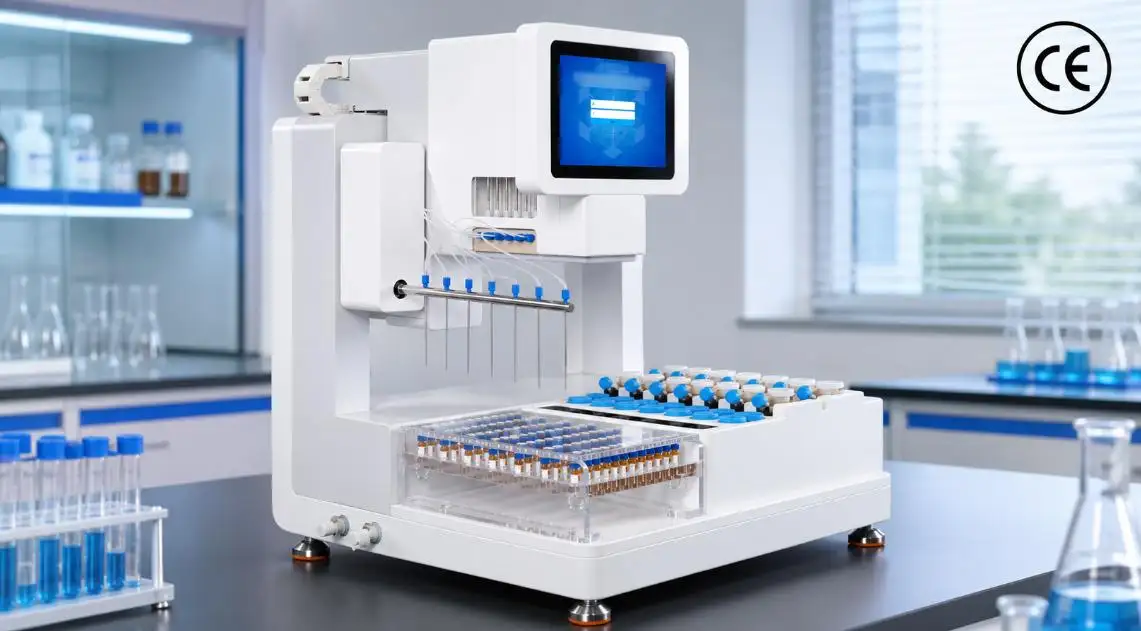
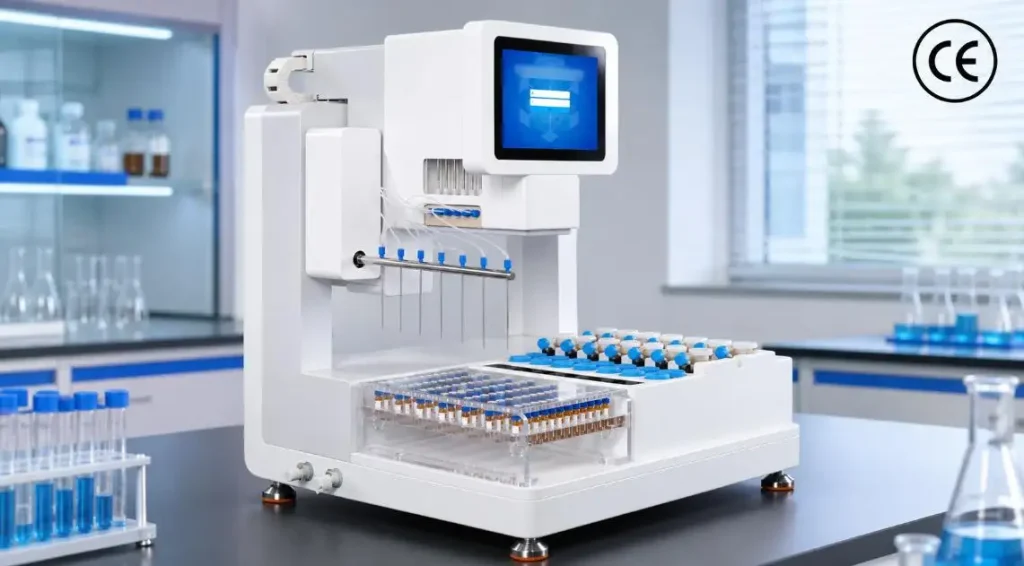
A key feature of Raytor's automated diffusion system is synchronized sampling via up to 7 diffusion cell positions with sampling times of up to 24 points and sampling volumes of 0.2–1.5 ml. The sampling pipeline is shorter than most systems, resulting in less liquid with a greater sample consistency.
This feature is ideal for laboratories in which:
• Formulation screening is a frequent activity
• Comparison of batches is frequent
• Stability is of concern
• Most requested evaluations by regulatory agencies are conducted
Bubble Management and Receptor Medium
Air bubbles between the membrane and receptor medium create additional resistance and a decrease in the effective diffusion area.
• Partially filling the cell
• Improper degassing
• Poor cell assembly
Raytor's receptor medium filling point design aids bubble removal and contact of the membrane with the receptor medium. Complete contact is a critical factor in obtaining reliable diffusion profiles.
Automated vs. Manual Transdermal Diffusion Testing Systems
| Factor | Manual System | Automated System |
| Operator influence | Higher | Lower |
| Sampling consistency | Depends on user operation | Controlled timing |
| Throughput | Limited | Suitable for multiple samples |
| Data traceability | Manual recording | Digital workflow support |
Although manual systems work for small academic studies, larger pharmaceutical research laboratories would now benefit from using automated Transdermal Diffusion Testers due to a preference for greater standardization and reduced experimental variability.
Assessing Validation And Suppliers Prior To Purchase
Laboratory should evaluate a diffusion testing system based on its capability to perform controlled and repeatable analytical tasks prior to purchase.
Considerations include:
• Potential for temperature verification
• Accurate stirring
• Cell design that ensures consistency
• Reliable sample collection
• Documentation support
A trusted supplier should offer equipment and a strong understanding of IVRT and IVPT.
Raytor offers Franz diffusion cell design, combined with automated sampling technology and a strong understanding of the challenges faced when developing topical and transdermal formulations, to assist researchers in meeting these challenges. Its offerings are designed according to real world needs to include the capability to do repeatable testing, flexible system configurations, and designed to improve system workflow.
The primary consideration for a laboratory purchasing a Transdermal Diffusion Tester for Topical Formulation should be the capability of the system to control parameters affecting the outcome of an analytical study. By addressing temperature, diffusion consistency, sampling reliability, and hydrodynamic control, researchers should be able to improve the consistency of their formulation evaluations. Raytor will continue to provide diffusion testing systems to improve the confidence of pharmaceutical laboratories in conducting IVRT and IVPT studies.
FAQs
Q1. What is a Transdermal Diffusion Tester for Topical Formulations used for?
A Transdermal Diffusion Tester for Topical Formulations enables the examination of the release and permeation of drug/formulation through the skin. The tester can be used for topical products (creams, gels, ointments, and patches) via the IVRT and IVPT methods.
Q2. Why is Franz diffusion cell technology important for topical formulation testing?
Franz diffusion cells represent a controlled in vitro model for assessing drug diffusion across membranes; therefore, researchers can compare the performance of various formulations before the clinical or market stages.
Q3. What parameters should laboratories consider when selecting a Transdermal Diffusion Tester?
The level of temperature control, consistency of diffusion cells, versatility of stirred control, and accuracy of sampling are all important considerations. So too is the degree of system automation and the type of formulation that the system can be used for.
Q4. How does Raytor improve repeatability in transdermal diffusion testing?
Raytor decreases variation in diffusion testing by automating temperature control, improvement in stirring, and standardizing cell configurations, accompanied by automated sampling.
Q5. Can Raytor diffusion systems support both IVRT and IVPT studies?
Yes. Raytor's Franz diffusion cell systems allow users to perform IVRT and IVPT studies with different membrane models and design workflows.