






USP 1724 Compliant Franz Diffusion Cell: IVRT vs. IVPT Applications
2026-07-21


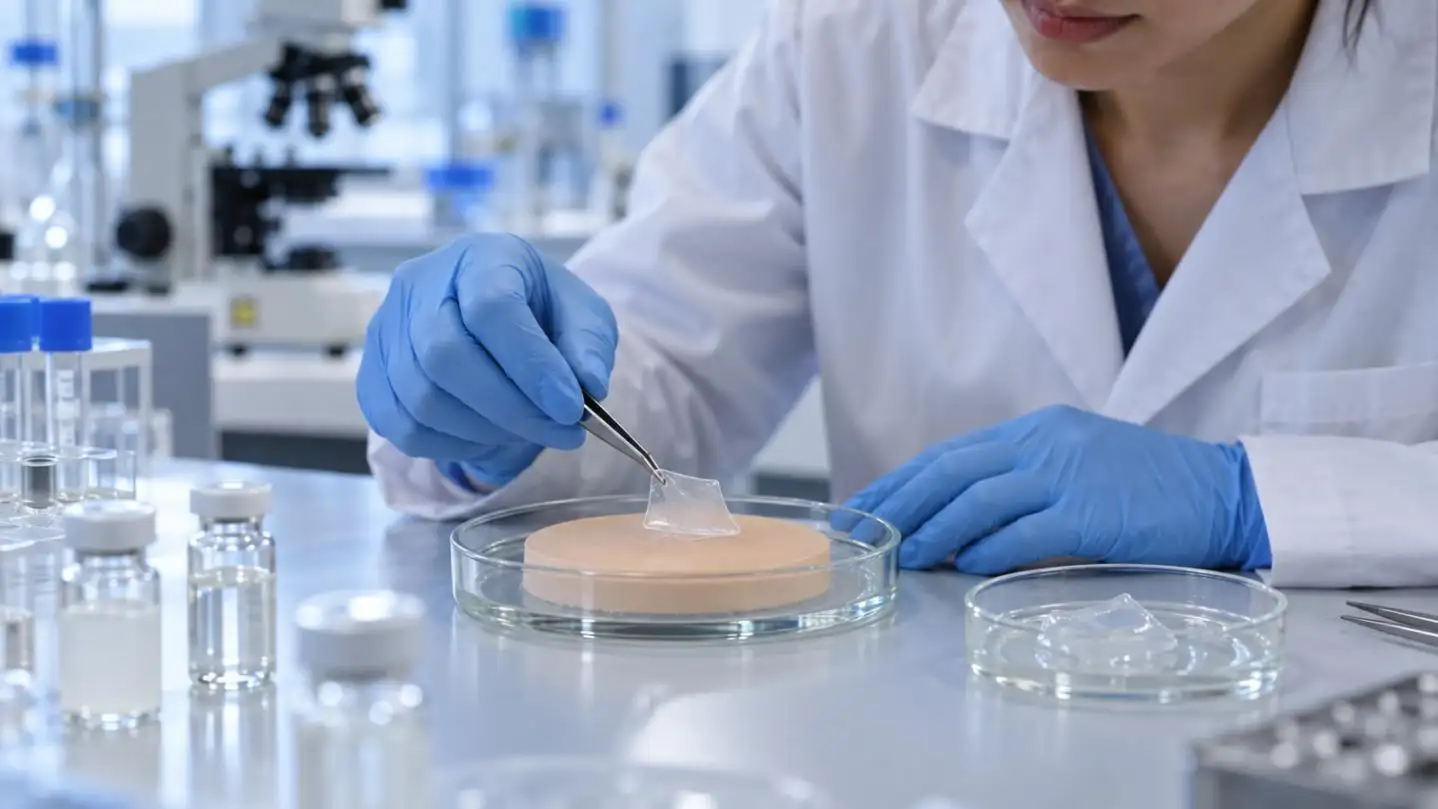
In vitro release testing (IVRT) and in vitro permeation testing (IVPT) are often confused because both may use a vertical Franz cell, receptor medium, controlled heating, stirring, a membrane, and timed sampling. However, they answer different questions. A USP 1724-compliant Franz diffusion cell allows for the study of drug release and skin permeation. However, the requirements for in vitro release testing (IVRT) and in vitro permeation testing (IVPT) differ in terms of barriers, dosing, required analytical sensitivity, and data interpretation.
Testing procedures for various topical and transdermal dosage forms including creams, gels, ointments, pastes, suspensions, lotions, and foams, are given in USP <1724>. However, testing of the drug release for transdermal systems is covered in USP <724>.
What is a USP 1724 Compliant Franz Diffusion Cell?
A conventional vertical Franz diffusion cell contains:
•Donor Cell: Contains the test sample of the formulated product.
•Skin Barrier/Membrane: Differentiates the donor phase and receptor phase.
•Receptor Cell: Acts as the receiving phase for the active pharmaceutical ingredient (API).
•Sampling Port: Facilitates sample removal at time intervals that are defined.
•Heating and Stirring System: Helps to maintain and control the temperature of the receptor medium.
•Defined diffusion area: Permits calculation of the diffusion of a substance through a defined area.
A USP 1724 compliant Franz diffusion cell offers diffusion-cell designs and configurations and principles as per USP <1724>. However, a compliant study must also address the qualification of equipment, method validation, membrane and receptor media, and must ensure the control of the system and the sampling, as well as ensure data integrity.
IVRT vs IVPT: What Is the Technical Difference?
| Factor | IVRT | IVPT |
| Objective | Measure API release from the formulation | Measure API permeation through a biological barrier |
| Typical barrier | Inert synthetic membrane | Excised human or animal skin |
| Barrier function | Supports the sample with minimal resistance | Provides a functional permeation barrier |
| Dosing | Often occluded or pseudo-infinite | Commonly finite |
| Outputs | Cumulative release and release rate | Cumulative permeation, flux, lag time, and Jmax |
| Main variability | Formulation, membrane, medium, loading, and sampling | IVRT variables plus skin donor and barrier integrity |
| Application | Formulation, batch, process, and stability studies | Skin permeation and generic-product comparison |
IVRT measures release from the formulation, while IVPT measures permeation through a biological barrier.
FDA's draft IVPT guidance discusses studies comparing proposed generic topical products with reference standards to support demonstrations of bioequivalence.
When to Use IVRT?
IVRT is appropriate when the objective is to determine how formulation or manufacturing variables affect API release. It can compare:
•Thickener type, pH, API particle properties, surfactants, or oil–water ratio;
•Mixing, homogenization, addition sequence, cooling, and storage conditions;
•Test and reference product release profiles;
•Batch consistency and stability-related changes.
Differences caused by formulation composition or processing may be detected by IVRT. However, of themselves, the IVRT results cannot be used to demonstrate skin permeation or in vivo bioequivalence.
When Is IVPT More Appropriate?
IVPT is used when the biological barrier is central to the research question. It can assess whether an API crosses the stratum corneum, whether two formulations produce comparable permeation, and whether penetration enhancers affect flux or skin retention.
IVPT is not simply a more complex IVRT. It requires additional control of:
•Skin source and anatomical site;
•Skin thickness, storage, and thawing;
•Barrier integrity;
•Test and reference product allocation;
•Finite-dose application;
•Low-level analytical quantification.
Can the Same Franz Cell Perform Both Tests?
The same USP 1724 Compliant Franz Diffusion Cell platform may support IVRT and IVPT, but one method cannot be copied directly to the other.
Membrane type, applied dose, receptor medium, occlusion, test duration, sampling schedule, analytical method, and data model must be justified separately. Laboratories should therefore establish independent SOPs and system-suitability criteria for each application.
How to Reduce Common Franz Cell Errors?
Prevent Bubbles
Bubbles trapped beneath the membrane reduce the actual contact area and may lower apparent release or permeation. Laboratories should degas the receptor medium, fill the cell slowly, avoid turbulence, and inspect each cell before dosing.
Verify Temperature and Stirring
The water-bath set temperature may differ from the actual receptor-medium or membrane temperature. Verify cell temperature, equilibration time, and channel uniformity.
Stirring should keep the receptor phase homogeneous while not generating unstable hydrodynamic conditions. Use the same stir bars and confirmed speeds in all the cells.
Standardize Manual Sampling
For six-cell systems, establish:
•A fixed sampling order;
•Calibrated sampling volumes;
•Consistent sampling depth;
•Actual collection-time records;
•Pre-warmed replacement medium;
•Corrections for drug removed during previous sampling.
Qualify Every Channel
Measure receptor volume and effective diffusion area, check seals, verify temperature and speed consistency, standardize membrane mounting and dosing, and define rules for handling abnormal diffusion cells.
Where Does the Raytor RT806 Fit?
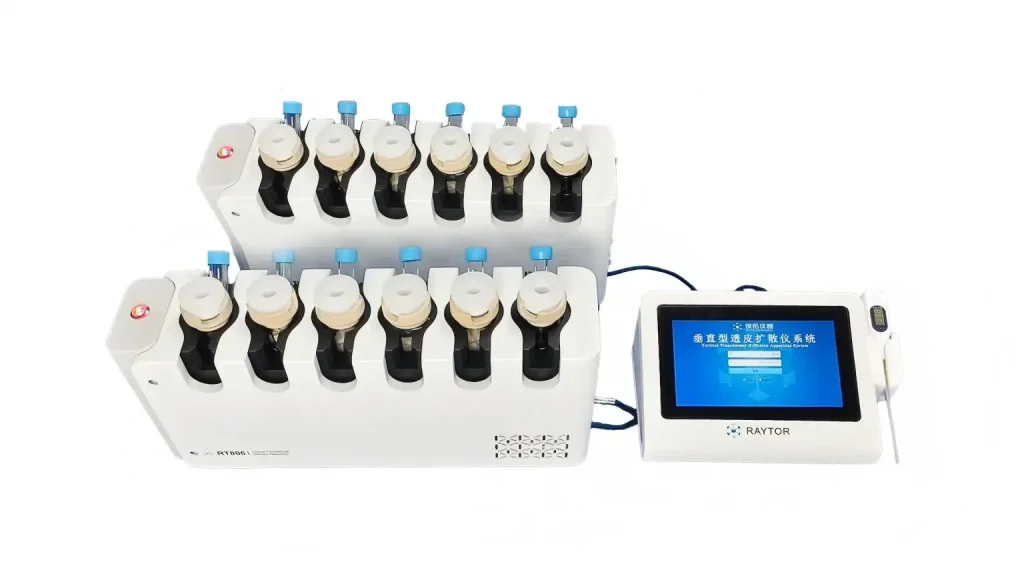
The Raytor RT806 is a compact, six-cell, manually sampled USP 1724 Compliant Franz Diffusion Cell system for flexible IVRT and exploratory IVPT work.
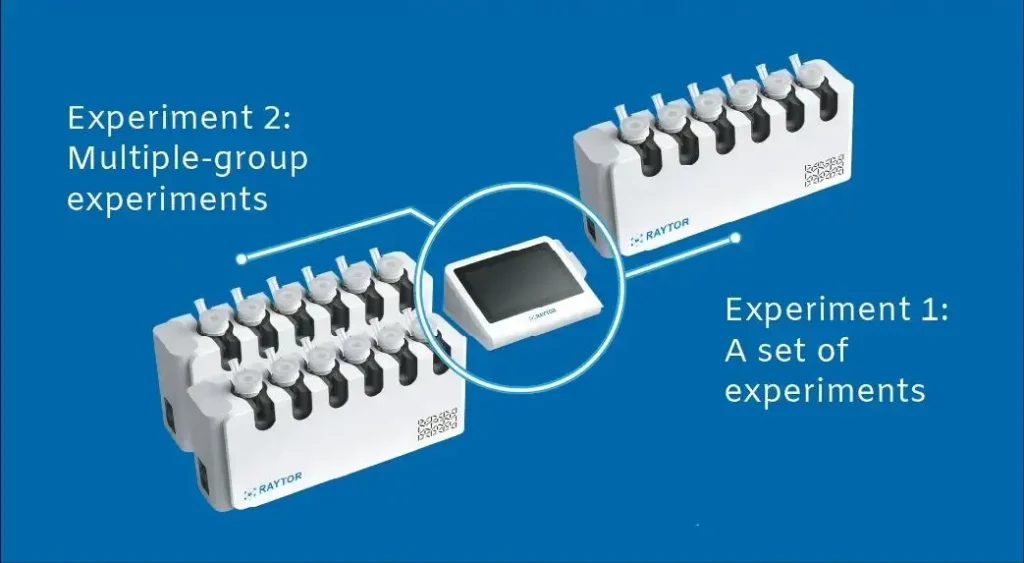
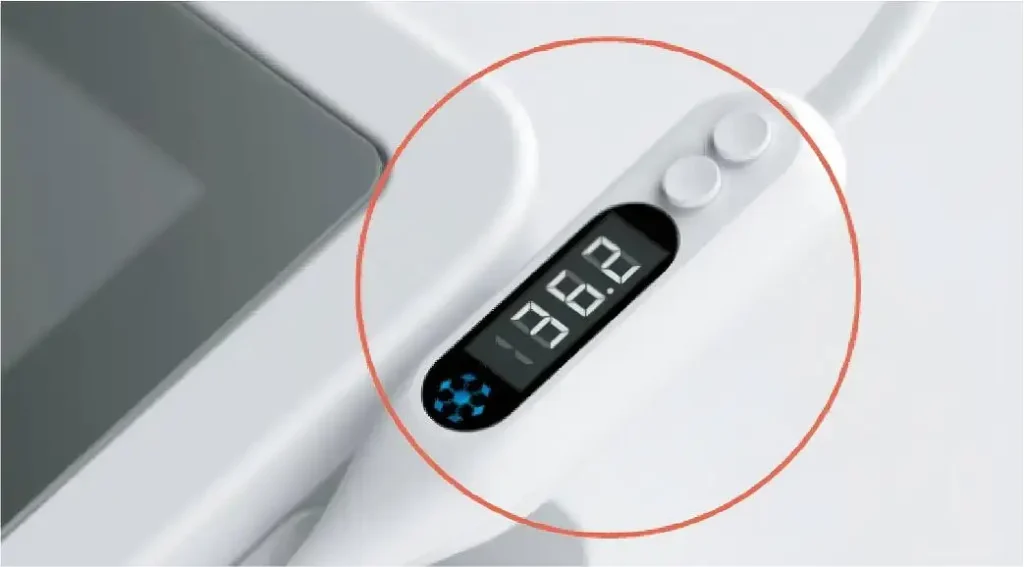
It provides touch-screen operation, a temperature range from room temperature to 55°C, a temperature error of ≤±0.5°C, a 200–900 rpm stirring range, a speed error of ≤±10%, and a handheld thermometer for checking diffusion-cell temperature. Its filling-point design is intended to reduce bubble formation, while one or more independent systems can be configured according to laboratory capacity.
The RT806 is suitable for:
•Early formulation screening;
•IVRT method development;
•Small test-versus-reference comparisons;
•Membrane and receptor-medium studies;
•Stirring-speed optimization;
•Training and SOP development;
•Exploratory IVPT requiring flexible sampling.
Automated sampling may be more appropriate for high-frequency collection, large pivotal studies, automatic medium replacement, lower operator dependence, or electronic audit-trail requirements.
Choosing the Right Franz Cell for IVRT and IVPT
A USP 1724 Compliant Franz Diffusion Cell provides the apparatus foundation for release and permeation testing, but reliable results depend on the complete method. Bubble control, actual temperature, stirring, membrane preparation, dosing, sampling, analytical validation, and documentation need to be in synchrony.
The Raytor RT806 is designed for laboratories working on manual IVRT or exploratory IVPT methods. It features a compact six-cell configuration with adjustable and programmable heating and stirring, cell temperature measurement, and a flexible experimental setup. Determining which Raytor RT806 system or automated diffusion system is most appropriate for a study can be accomplished by discussing the dosage form, membrane, receptor medium, sampling plan, and documentation with Raytor.
FAQs
Q1. What is the Raytor RT806 used for?
The Raytor RT806 is utilized for performing in-vitro testing on the release and permeation of semi-solid and topical formulations (creams, gels, ointments, etc.) utilizing the Franz diffusion cell apparatus.
Q2. Is the Raytor RT806 a USP 1724 compliant Franz diffusion cell?
Raytor specifies that the diffusion cell configuration of RT806 is in accordance with the requirements of USP <1724> for performance and description of a diffusion cell. Nevertheless, compliance for a study is a collective responsibility of equipment qualification, validated methods, control of membranes and samples, and assurance of data integrity.
Q3. Can the RT806 be used for IVRT and IVPT?
The RT806 is a flexible hardware platform that supports both IVRT and IVPT. However, for each of these applications, the control of the membrane, the dosage, the receptor medium, the sampling time, the choice of analytical method, and the assessment of data require a bespoke approach.
Q4. How many diffusion cells does the RT806 contain?
Each RT806 group contains six diffusion cells. A laboratory may attach one or more self-contained diffusion cell systems to expand capacity or perform diverse experimental conditions with no interference.
Q5. How does the RT806 reduce bubble formation?
The RT806 reduces bubble formation during filling of the receptor chamber via a special receptor chamber filling design. The operator must still degas the filling medium if required, fill slowly, and examine the membrane before dosing.