

6+1 Test Design in a Multi Channel Transdermal Diffusion Tester
2026-07-28


A Multi Channel Transdermal Diffusion Tester must go beyond the capability of increasing the number of samples tested per run. The channel configuration must also allow for the appropriate controls, a consistent sampling interval, active temperature control, and the ability to perform repeatable IVRT or IVPT procedures.
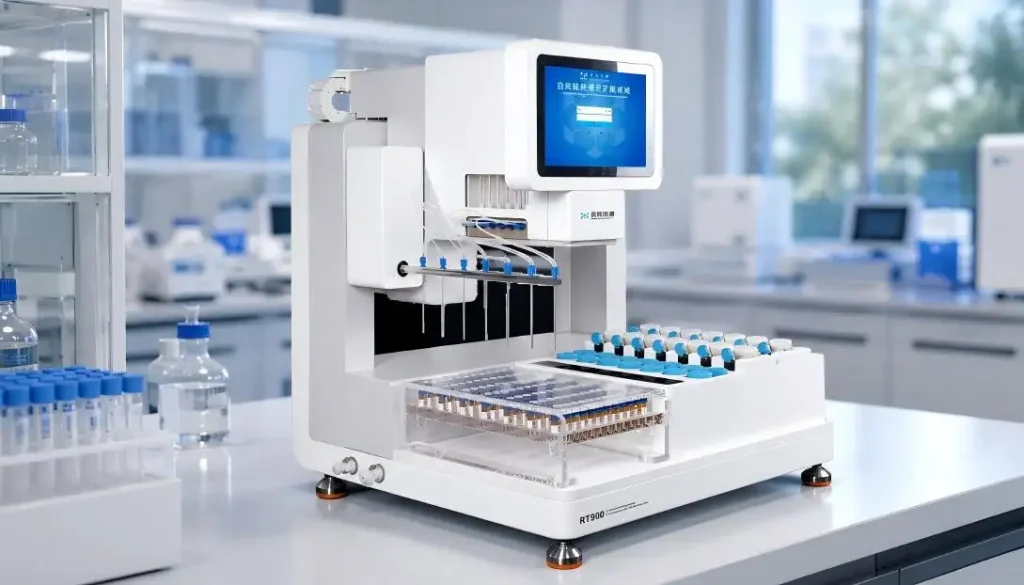
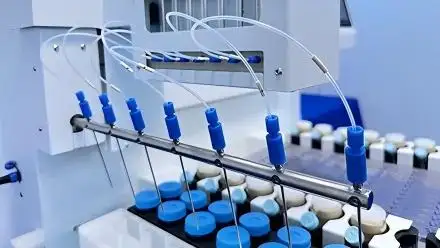
In a typical 6+1 configuration, six diffusion cells are used to conduct parallel sample diffusion, whereas the seventh cell can be used to conduct a blank, placebo, control, or test a system interference. When all seven channels are sampled simultaneously, the Multi Channel Transdermal Diffusion Tester can also reduce timing differences between diffusion cells.
What Does "6+1" Mean in a Multi Channel Transdermal Diffusion Tester?
The 6+1 diffusion cell design divides one test group into six primary sample positions and one flexible additional position.
| Channel arrangement | Typical purpose | Information provided |
| Six sample channels | Replicates, batch comparisons, formulation studies | Repeatability, sample differences and outliers |
| One additional channel | Blank, placebo, membrane blank or control | Background interference and system residue |
| Seven synchronized channels | Samples collected at the same time | Reduced sampling-time variation |
The "+1" channel does not have to serve the same function in every method. Depending on the dosage form and analytical objective, it can be allocated to receptor-medium blanks, placebo formulations, control membranes, or an additional test sample.
Why Is the Extra Channel Important?
Recognizing Background Interference
A vacant channel can help determine if the analytical response is due to the drug product under test or due to the system's other components such as:
• The receptor medium
• Synthetic membranes/biological membranes
• Diffusion cells and sampling tubing
• Cleaning agents
• Baseline responses of the analytical method
This is most relevant for the testing of low drug concentrations. In such cases, the small background response may significantly influence the calculated results of release or permeation.
Supporting Placebo and Control Tests
The seventh channel can be used for the testing of creams, gels and ointments, to carry a placebo formulation, i.e., a formulation that does not contain the active pharmaceutical ingredient. This may help analysts to determine whether excipients may interfere with the UV or HPLC detection.
For IVPT, the additional position may be used for untreated skin, a control formulation or another method-specific reference.
Supporting Root-Cause Analysis
When an unexpected result appears, blank or control data can help determine whether the deviation is associated with the sample, membrane, receptor solution, tubing or analytical workflow. The extra position therefore provides experimental flexibility rather than prescribing one mandatory blank design.
How Does Synchronized Sampling Reduce Variability?
In a manual Franz-cell system, samples are often collected one channel after another. When several cells must be sampled at the same nominal time point, the first and last channels may actually be collected several minutes apart.
This timing difference can be important for fast-releasing formulations and early IVRT sampling points. A synchronized sampling Multi Channel Transdermal Diffusion Tester can:
• Collect samples from the same group at one scheduled time;
• Reduce channel-to-channel timing variation;
• Improve comparability between replicate results;
• Limit bias associated with manual sampling order;
• Support methods containing multiple early sampling points.
Synchronized sampling does not replace correct method development. Membrane selection, bubble removal, receptor-medium suitability, temperature control and analytical recovery must still be evaluated.
Using 6+1 Designs in IVRT and IVPT
| Test application | Six primary channels | Possible use of "+1" |
| IVRT replicate testing | Six replicates from one batch | Medium blank or placebo |
| Formulation screening | Two formulations with three replicates each | System blank |
| Batch comparison | Test and reference batch samples | Membrane blank |
| IVPT study | Multiple skin samples or donors | Untreated skin or control |
| Method development | Different media, speeds or membranes | Baseline condition |
IVRT primarily evaluates drug release from a semisolid formulation. IVPT evaluates permeation through skin or another biological membrane. Because biological membranes can introduce greater variability, replicate numbers and control designs should be defined by the individual method rather than by channel availability alone.
6+1 Design vs Other Multi-Channel Configurations
| Configuration | Control flexibility | Sampling consistency | Typical application |
| Six-channel manual system | A control occupies one sample position | Operator-dependent | Low-frequency testing |
| 6+1 synchronized system | Dedicated flexible position | Simultaneous within the group | Routine IVRT and control studies |
| Eight independent channels | Freely allocated positions | Depends on sampling system | Formulation screening |
| Twelve or more channels | Multiple samples and controls | Depends on automation level | High-throughput QC or CRO testing |
| Two seven-cell groups | Independent group designs | Synchronized within each group | Parallel methods or batches |
A higher number of diffusion cells does not automatically produce a better system. Laboratories should also compare whether groups can operate independently, how samples are refilled, whether the tubing is easy to clean, and how electronic records are managed.
Manual vs Automated Transdermal Diffusion Systems
| Factor | Manual Franz cells | Semi-automated system | Automated Multi Channel Transdermal Diffusion Tester |
| Sampling | Sequential manual collection | Partially automated | Synchronized automatic sampling |
| Refilling | Manual | Manual or assisted | Programmable refilling |
| Timing | Operator-controlled | Partially controlled | Method-controlled |
| Data recording | Mainly manual | Partially electronic | Database and audit-trail options |
| Suitable workload | Low | Medium | Medium to high |
Automation can reduce repetitive handling, but laboratories must still verify sampling recovery, refill accuracy, dead volume, tubing adsorption, cleaning effectiveness and system suitability.
The Benefits of Using Shorter Sampling Tubing
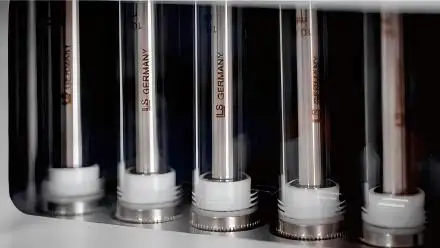
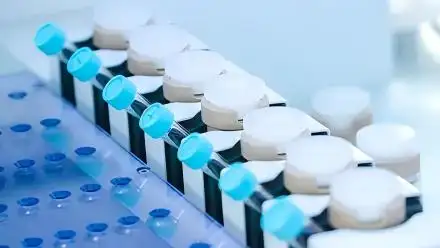
Long sampling tubing retains some of the collected solutions. Tubing that is shorter has a smaller internal volume, and sample carryover and adsorption of low-concentration analyte may occur.
It may also reduce the time and effort to purge and clean the system. The advantages must be demonstrated by recovery, carryover, and residue tests conducted for the actual procedure.
Filling Points and Bubble Control
Underfilling may decrease contact and diffusion, but it may also reduce the cell volume of the receptor in some calculations, and the presence of air bubbles may also hinder the diffusion process.
A marked filling point helps operators confirm that cells are filled to a consistent level after manual bubble removal. It does not completely prevent bubbles, but it can reduce variation between analysts and diffusion-cell positions.
Closing Words
The value of a 6+1 Multi Channel Transdermal Diffusion Tester is not simply the addition of a seventh cell. The design creates a clearer structure for six replicates plus a blank, placebo or control while synchronized sampling helps reduce timing-related variability.
Channel configuration should be assessed together with tubing length, refill accuracy, bubble management, temperature control, cleaning procedures and data integrity. The most suitable system is the one that matches the laboratory's dosage form, sampling schedule, replicate strategy and compliance requirements.
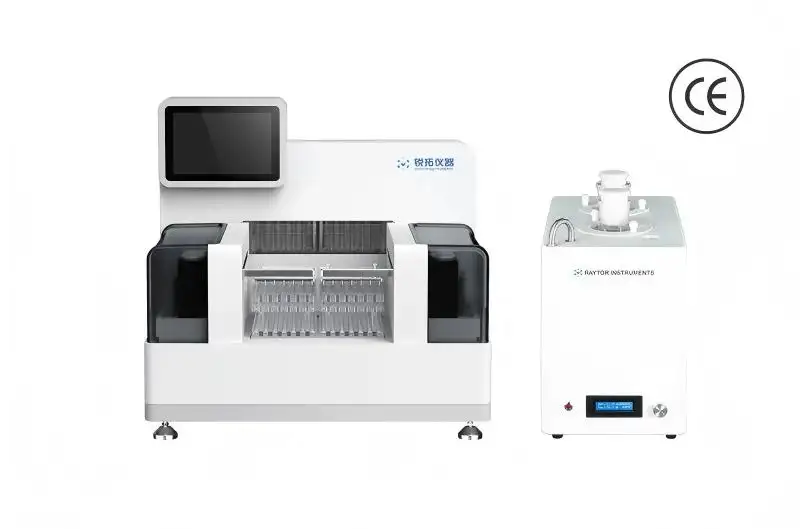
Raytor's RT800 provides two groups of diffusion-cell positions, seven-channel synchronized sampling, a flexible 6+1 test design, shorter sampling pipelines and data-integrity functions. Laboratories can share their dosage form, IVRT or IVPT method, replicate arrangement, diffusion-cell volume, sampling schedule and compliance requirements with Raytor to evaluate a practical transdermal diffusion testing configuration.
FAQs
Q1. What is the 6 + 1 design in Raytor's Multi Channel Transdermal Diffusion Tester?
The 6 + 1 design consists of six diffusion cells to run parallel samples and one cell devoted to a blank, placebo, control, or additional sample. The distribution can be formed flexibly to meet a laboratory's needs for the IVRT or IVPT.
Q2. How many diffusion-cell positions does the Raytor RT800 have?
The Raytor RT800 has a 7 × 2 design with two sets of seven diffusion-cell positions. Each set can be used separately, enabling Labs to run different sample batches, procedures, or experimental conditions.
Q3. Does the RT800 sample all seven channels at the same time?
Yes. Within the same group, diffusion cells are scheduled to be sampled simultaneously. This grouped, synchronized design minimizes the time discrepancies that occur when samples are drawn from different channels in a sequential, manual, distributed design.
Q4. Is the Raytor RT800 designed for IVRT / IVPT?
The RT800 is designed for in vitro release and in vitro permeation testing for the evaluation of semisolid and transdermal dosage forms, including creams, ointments, gels, and transdermal drug delivery systems.
Q5. What are the available diffusion-cell volumes for the RT800?
Based on the intended use, Raytor offers diffusion-cell volumes of 10, 15, 20, 25, 30, and 40 mL. The selection of diffusion-cell volume is determined by the dosage form, receptor medium, the residual volume after sampling, analytical method sensitivity, and the requirements.