





Transdermal Diffusion System with Audit Trail for GMP Laboratories
2026-10-06


An IVRT batch produces an unexpectedly low release rate. Chromatographic analysis passes system suitability, yet the laboratory cannot establish whether a sampling interval was changed, a receptor aliquot was collected late, or the test method was modified after the run began.
Repeating the experiment may produce an acceptable result. It does not explain what happened to the original data.
For GMP laboratories, selecting a Transdermal Diffusion System with Audit Trail requires two separate assessments: whether the instrument generates reliable diffusion measurements and whether its electronic records allow investigators to reconstruct the test.
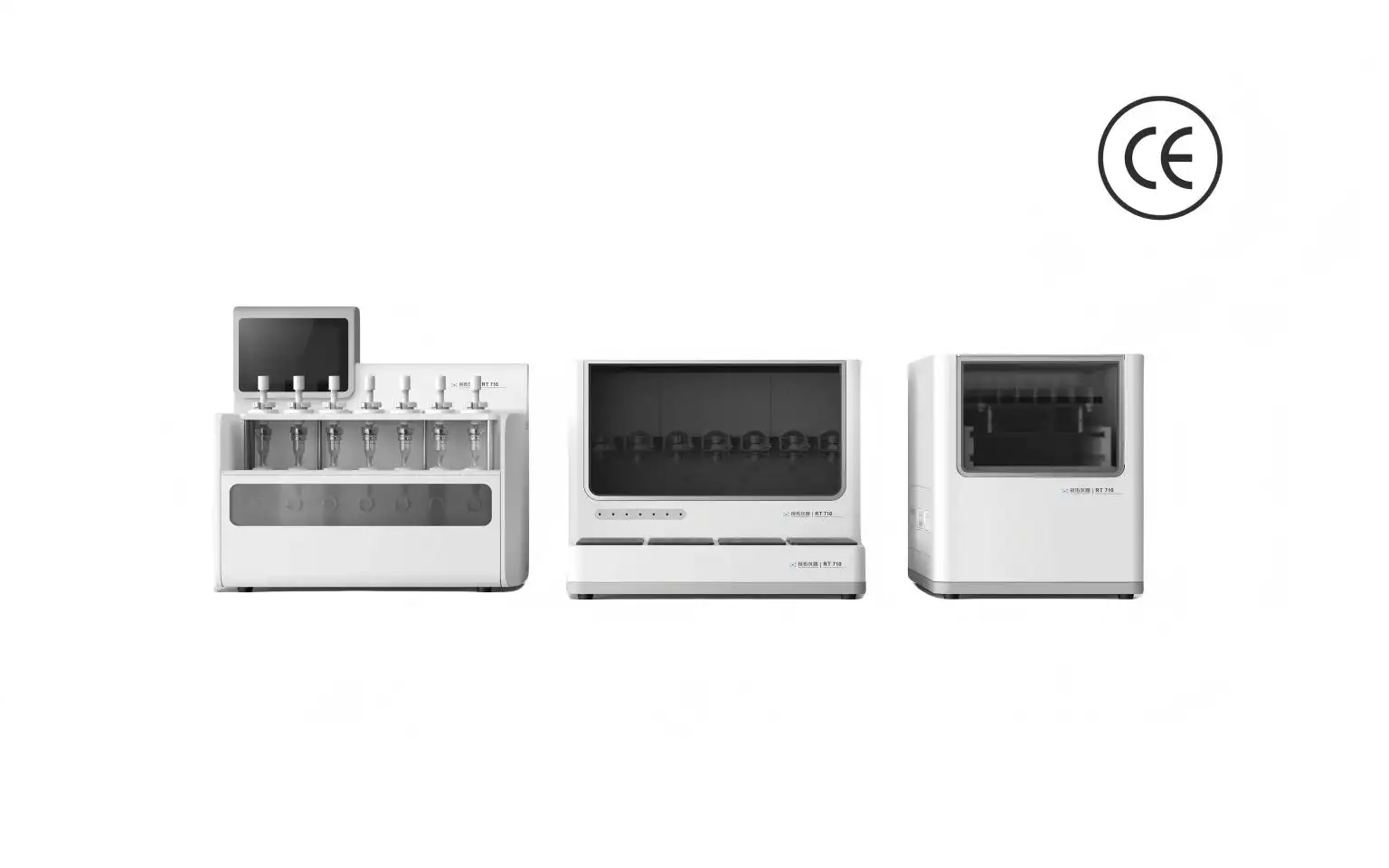
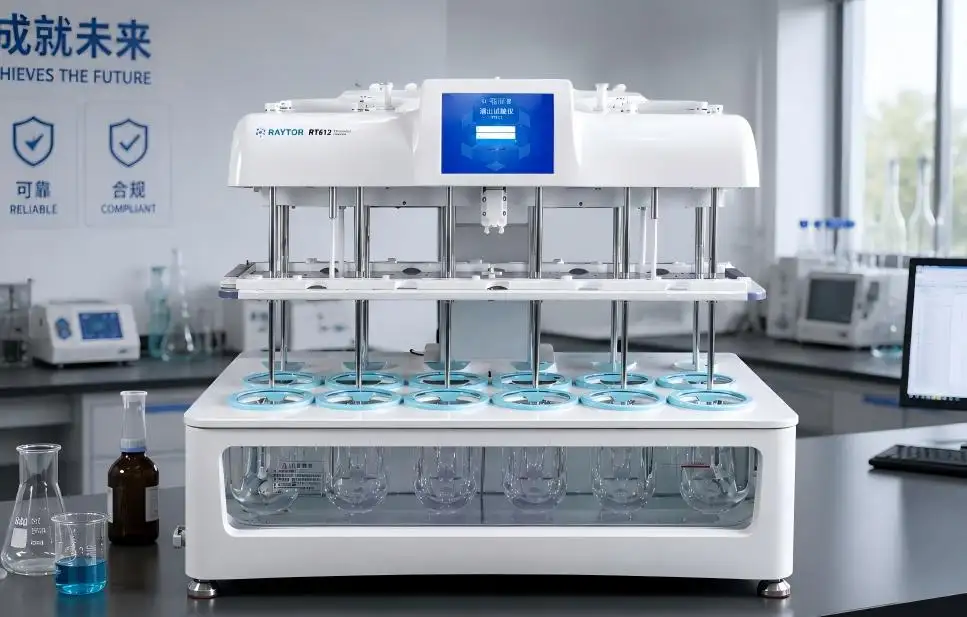
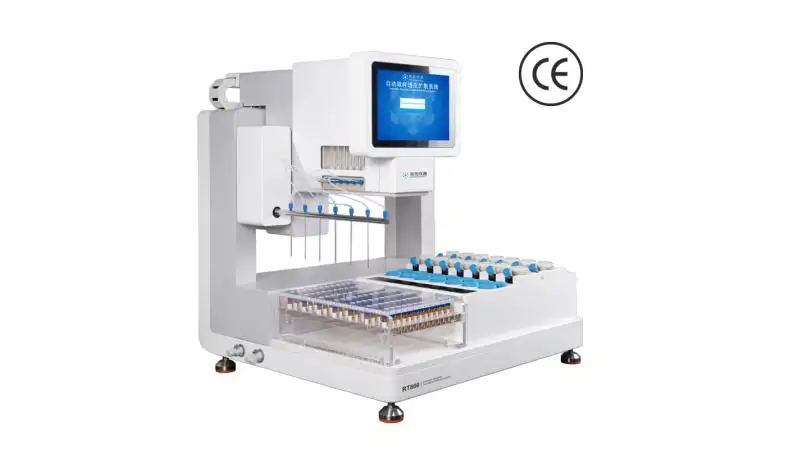
At Raytor, our RT800 Automated Transdermal Diffusion System combines synchronized sampling, controlled diffusion cell operation, and SQL-based audit tracking. Its suitability for a regulated laboratory still depends on the site's intended use, data-management procedures, and system qualification.
1. What Must an Audit Trail Reveal During a GMP Investigation?
A final test report rarely contains everything needed to investigate an abnormal release or permeation profile.
Consider an analyst who modifies the sampling schedule during a IVRT study. The report may only display the new sampling intervals. Thus, a reviewer may not know whether the analyst changed the sampling schedule before or after samples were collected and/or whether the change affected calculations.
An ideal electronic record system should store several types of information:
• Method history: Original and revised sampling schedules, temperature and stirring methods, and versions of the method.
• Operator attribution: User name, date and time of changes made to record.
• Run history: Start and stop sample collection, interruptions and changes affecting sample collection.
• Record integrity: Older entries are retained when changes are made. Reason for change is indicated.
These are qualification requirements, not confirmation that every event is captured by a particular instrument.
Under 21 CFR Part 11, applicable electronic-record controls address audit trails, access restrictions, and system validation. FDA's CGMP data-integrity guidance also emphasizes risk-based review of audit trails associated with regulated records.
An SQL database is not proof of compliance. Its presence says little about whether users can alter historical records, disable logging, or export results without the associated metadata.
2. Where Can Automated Sampling Still Introduce Measurement Error?
An audit trail documents electronic activity. It cannot independently establish that the correct amount of receptor medium reached the sampling vial.
For IVRT and IVPT, that distinction matters because release-rate and permeation calculations depend on concentration, sampling time, and the receptor volume represented by each aliquot.
Sampling Time and Volume
Raytor's RT800 provides seven-channel synchronized automatic sampling within each group and a 7 × 2 diffusion cell arrangement.
Simultaneous collection reduces between-cell timing differences, particularly when early release profiles change rapidly. However, synchronized sampling does not guarantee that the programmed time matches the actual collection time.
The laboratory should verify both.
The RT800's published sampling range is 0.2–1.5 mL, with available diffusion cell volumes from 10 to 40 mL. These ranges require careful method matching.
When receptor medium is removed and replaced, calculations must account for the sampled drug mass and replacement volume. An incorrect cumulative-release correction can distort the calculated profile even when the sampling mechanism operates normally.
Tubing Residue and Membrane Contact
Raytor uses a shorter sampling pipeline to reduce residual liquid. This can help limit carryover, but shorter tubing is not equivalent to demonstrated sample recovery.
Hydrophobic compounds can adsorb to tubing surfaces and rinsing may be incomplete leading to transfer of residue between samples. Verification should include recovery of low concentrations and blank samples following high concentration solutions under the intended cleaning procedure.
Membrane contact introduces another failure mode.
Air trapped beneath the membrane reduces the effective diffusion area. The RT800 uses removable diffusion cells and marked filling positions to facilitate manual bubble removal and receptor filling.
Operators must still inspect assembled cells. Neither automated sampling nor audit tracking can correct a poorly seated membrane or an undetected air pocket.
3. Which RT800 Specifications Matter Most for GMP Qualification?
Equipment specifications should be translated into measurable acceptance criteria rather than copied directly into a procurement checklist.
Raytor offers the following RT800 capabilities:
| RT800 Feature | Engineering Relevance | Required Verification |
| 7 synchronized sampling channels | Reduces between-cell sampling time differences | Actual sampling times and collected volumes |
| Two independent cell groups | Supports separate diffusion experiments | Group independence and method execution |
| Short sampling pipelines | Reduces potential residual sample volume | Carryover and analyte recovery |
| Dry heating, room temperature to 45°C | Provides controlled cell heating | Receptor-medium temperature under loaded conditions |
| SQL database and audit tracking | Supports electronic test records | Audit-event coverage, access security, and record retrieval |
The temperature error is ≤±0.5°C. That specification should not be interpreted automatically as the temperature uncertainty at the membrane surface.
Cell geometry, receptor volume, stirring, and sensor position influence the temperature actually experienced by the sample.
For method qualification, measurements should be made at defined locations under representative operating conditions.
The RT800 also supports storage of at least 200 test methods and 100 user accounts. Laboratories should confirm how method approval, user permissions, and account deactivation are implemented in the supplied software version.
4. How Should GMP Laboratories Challenge the Audit Trail?
A factory demonstration showing successful data entry is insufficient for computerized system qualification.
The stronger approach is to deliberately create conditions that might compromise record traceability.
Five tests are particularly useful:
• Modify a method, and then check if the older version of the method is still retained.
• Modify or delete a record that has controls. Use a restricted account to modify or delete a record and verify how the system behaves and if a record is created for the event.
• Interrupt an active sampling experiment. Check how the system represents sampling interruptions and incomplete results and what further actions are taken by the operator.
• Retrieve an archived run. Check if original data, methods and associated audit records are retained and presented in an understandable format.
• Evaluate the recovery of database records. System records and data are reset to a previous state and a record of the system stoppage is retained.
The results should be documented in a risk-based validation program.
IQ demonstrates that the system is ready for use in its installed configuration. OQ tests if the system functions within specified limits for various operable controls. PQ evaluates the system’s performance for IVRT and IVPT methodologies.
Supplier documentation supports the work, but does not replace site-specific qualification.
5. Who Owns the Complete GMP Data Record?
Diffusion testing normally involves several interconnected systems. One of the systems (the diffusion apparatus) is controlled and samples are collected. Another system (a mass spectrometer, HPLC, GC, or LC) is used to analyze drug or extract concentration. Finally, a computerized software program is used to integrate and generate mathematical calculation of drug release profiles.
Each stage creates records that must remain traceable.
For a defensible workflow, laboratories need controlled links between:
• Diffusion run and approved test method
• Sampling time and sample identification
• Analytical sequence and chromatographic raw data
• Concentration results and release-rate calculations
• Final report, deviations, and audit-trail review
A diffusion system's audit trail does not automatically cover changes made in chromatography software or spreadsheets.
Before purchasing, buyers should therefore request the RT800 software documentation and confirm the supported export formats, audit-trail review functions, access controls, and data-retention options.
These details determine how the instrument can fit into an existing GMP quality system.
Raytor offers the RT800 Automated Transdermal Diffusion System for laboratories evaluating automated IVRT/IVPT testing with electronic audit tracking. Contact our technical team through www.raytor.com to review equipment specifications and discuss your qualification requirements.
FAQs
Q1: Does Raytor offer a transdermal diffusion system with an audit trail?
Yes. Raytor's RT800 Automated Transdermal Diffusion System includes audit tracking and an SQL database for managing electronic test records.
Q2: Is the Raytor RT800 suitable for GMP laboratories?
The RT800 provides automated sampling, audit tracking, and method storage relevant to GMP workflows. Laboratories must qualify the system for their intended use.
Q3: Is Raytor RT800 compliant with FDA 21 CFR Part 11?
Raytor specifies audit trail functionality, but full Part 11 compliance should not be assumed. Laboratories must verify electronic-record controls and system validation requirements.
Q4: How many sampling channels does Raytor RT800 support?
The RT800 provides seven synchronized sampling channels and two independent diffusion cell groups, accommodating up to 14 cell positions.
Q5: How does Raytor RT800 improve sampling consistency?
Its synchronized sampling design reduces collection-time differences between diffusion cells within the same group, supporting more consistent IVRT and IVPT measurements.