

Dosage Form Testing in 2026: New Compliance Priorities for Pharmaceutical Laboratories
2026-07-27


Pharmaceutical laboratories will discover various unified regulatory changes for dosage form testing in 2026. The greater challenge will be managing the disparate regulatory changes in pharmacopoeias, bioequivalence guidance, dissolution apparatus qualification, and electronic data integrity. Laboratories need the ability to analyze test methods, specifications, and assess the capability and suitability of equipment along with the presence and adequacy of audit trails and documentation, in order to reduce the regulatory disparities for the products, sites, and markets.

What Does Dosage Form Testing Include?
Dosage Form Testing evaluates whether a finished pharmaceutical product delivers the intended quality, dose, and performance throughout its shelf life. It is broader than assay testing and should not be treated as another term for dissolution alone.
A complete program may include:
• Dissolution and drug-release testing
• Disintegration
• Content and dosage-unit uniformity
• Tablet hardness and friability
• Comparative release-profile testing
• Physical and mechanical performance
• Stability-related performance changes
• Electronic test records and data traceability
Testing requirements must reflect the dosage form and its release mechanism.
| Dosage Form | Typical Testing Focus |
| Immediate-release tablets | Disintegration, dissolution, and content uniformity |
| Modified-release tablets | Multi-point release profiles and dose-dumping risk |
| Capsules | Shell behavior, disintegration, and dissolution |
| Oral suspensions | Redispersibility, dose uniformity, and drug release |
| Semi-solid products | Rheology, microstructure, and in vitro release |
| Long-acting formulations | Extended or accelerated release testing |
Dosage Form Testing supports formulation development, process optimization, batch release, stability studies, manufacturing change control, and selected bioequivalence or biowaiver strategies. It is therefore both a product-development tool and a regulatory control mechanism.
Why Is 2026 Important for Dosage Form Testing?
Implementation of the 2025 Chinese Pharmacopoeia
The 2025 Chinese Pharmacopoeia took effect on October 1, 2025. For many laboratories, 2026 is the first full year of implementation.
A practical readiness review should cover:
• Differences between previous and current pharmacopoeial methods
• Updates to internal specifications and SOPs
• Alignment between registered standards and current monographs
• Suitability of instruments, accessories, and method parameters
• Analyst retraining
• Method verification, revalidation, and change control
Not every revised pharmacopoeia requires complete method redevelopment. Laboratories should conduct a product-specific impact assessment and document why confirmation, partial revalidation, or full revalidation is appropriate.
European Pharmacopoeia 12th Edition
The European Pharmacopoeia 12th Edition became applicable on January 1, 2026, while revised texts in Issue 12.3 became effective on July 1, 2026.
For products supplied to European markets, laboratories should verify:
• Whether methods still reference superseded chapters
• Whether product specifications require revision
• Whether templates and validation documents remain aligned
• Whether all testing sites use the same pharmacopoeial version
• Whether contract laboratories have completed corresponding updates
A pharmacopoeial update should be managed as a controlled lifecycle activity, not as a one-time document replacement.
ICH M13 and Comparative Dissolution
ICH M13A establishes a harmonized framework for bioequivalence studies involving immediate-release oral solid dosage forms. Related M13 work also places greater attention on additional-strength biowaivers and comparative dissolution profiles.
For Dosage Form Testing, important technical considerations include:
• Selection of representative test batches
• Consistent media and apparatus conditions
• Appropriate sampling time points
• Dissolution-profile similarity
• Method repeatability
• Discriminatory capability
• Scientific justification for differences between strengths
High-quality comparative dissolution data may support a biowaiver strategy, but it does not automatically establish eligibility. Product characteristics, formulation proportionality, applicable guidance, and regional expectations must still be evaluated.
USP Dissolution Apparatus Suitability Remains Critical
USP Apparatus 1 through 4 cover basket, paddle, reciprocating-cylinder, and flow-through-cell testing. Selecting the correct apparatus is only one part of compliant pharmaceutical dissolution testing.
Laboratories should also control:
• Shaft verticality
• Vessel dimensions and centering
• Rotational, reciprocating, or flow-rate accuracy
• Bath and medium temperature
• System vibration
• Sampling position
• Mechanical calibration
• Performance verification
• Accessory consistency
Two laboratories may follow the same written method and still obtain different results. Common causes include equipment geometry, medium deaeration, sampling technique, filter adsorption, vessel condition, vibration, and analyst handling.
For this reason, Dosage Form Testing method transfer should include an apparatus comparison rather than relying only on method-document review.
Electronic Records and 21 CFR Part 11
Data integrity remains a central regulatory concern. Where electronic records are used for regulated testing, controls should address:
• Individual user accounts and role-based permissions
• Retention of original data
• Time-stamped audit trails
• Traceability of method and parameter changes
• Electronic signatures
• Backup and recovery
• System validation
• Prevention of unauthorized overwriting or deletion
Instrument software may support 21 CFR Part 11 expectations, but software functionality alone does not create compliance. The regulated laboratory remains responsible for validation, SOPs, access control, audit-trail review, training, and data governance.

Major Dosage Form Testing Risks 2026
| Laboratory Challenge | Potential Risk | Recommended Control |
| Different versions of pharmacopoeia on different sites | Resulting conflicting specifications | Controlled version matrix maintained |
| Method transfer with no comparison of apparatus | Variability between laboratories | Compare vessels, shafts, accessories, and sampling |
| Mechanical checks treated as maintenance only | Unknown hydrodynamic changes | Separate maintenance, calibration, and qualification |
| Parameter changes not recorded or documented | Data integrity observations | Access controls with review of audit trails |
| Use of same dissolution method for all forms | Discrimination of method | Conditions specific to the dosage form |
| Preparation of medium with variable consistency | Inconsistent results of release | Preparation standardized, established procedures for deaeration and handling |
| Accessory selection inappropriate | Floating, coning, sticking | Assess accessories during method development |
What Should Laboratories Do to Improve Their Programs?
1. Construct a Regulatory Matrix
List target markets, applicable pharmacopoeia, registered specifications, internal methods, and current valid versions.
2. Conduct a Method Assessment
Inspect type of apparatus, medium constituents, volume of medium, method zone temperature, rotation speed/flow rate, sampling time, filters, mathematics, and acceptance criteria.
3. Revise Instrument Qualification
Locate installation qualification(IQ), operational qualification(OQ), and performance verification(PV). Include preventive maintenance (PM) and Calibration mechanics.
4. Electronic Data Governance
Outline who is authorized to create/ modify methods, access audit trails, review or investigate atypical results and final reports.
5. Accessories and Solvent Handling
Results of testing for Dosage Forms can be affected by evaporation, sedimentation, foaming, filter adsorption, sticking, and floating.
6. Train Analysts on Method Intent
Training should explain why an apparatus is selected, which parameters are critical, when a test becomes invalid, and how deviations must be documented.
How Raytor Supports Dosage Form Testing Laboratories
Regulatory readiness depends on more than understanding pharmacopoeial language. Laboratories also need suitable instrumentation, controlled records, compatible accessories, and application support.
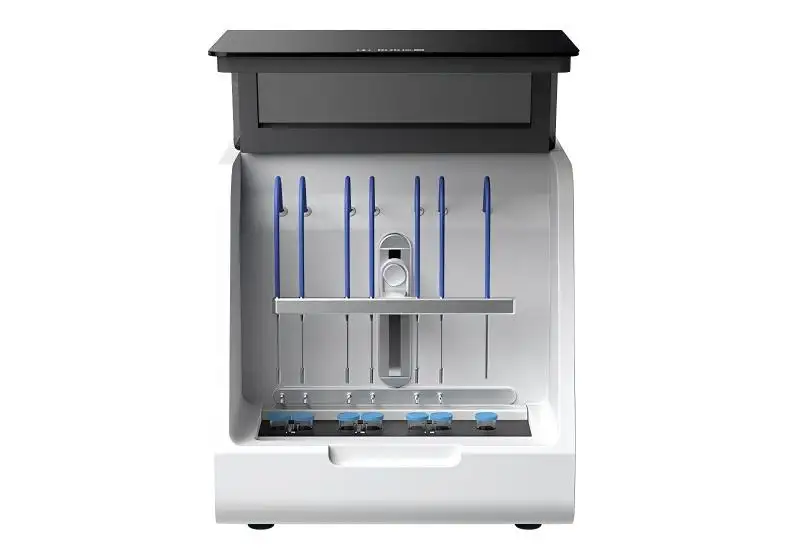
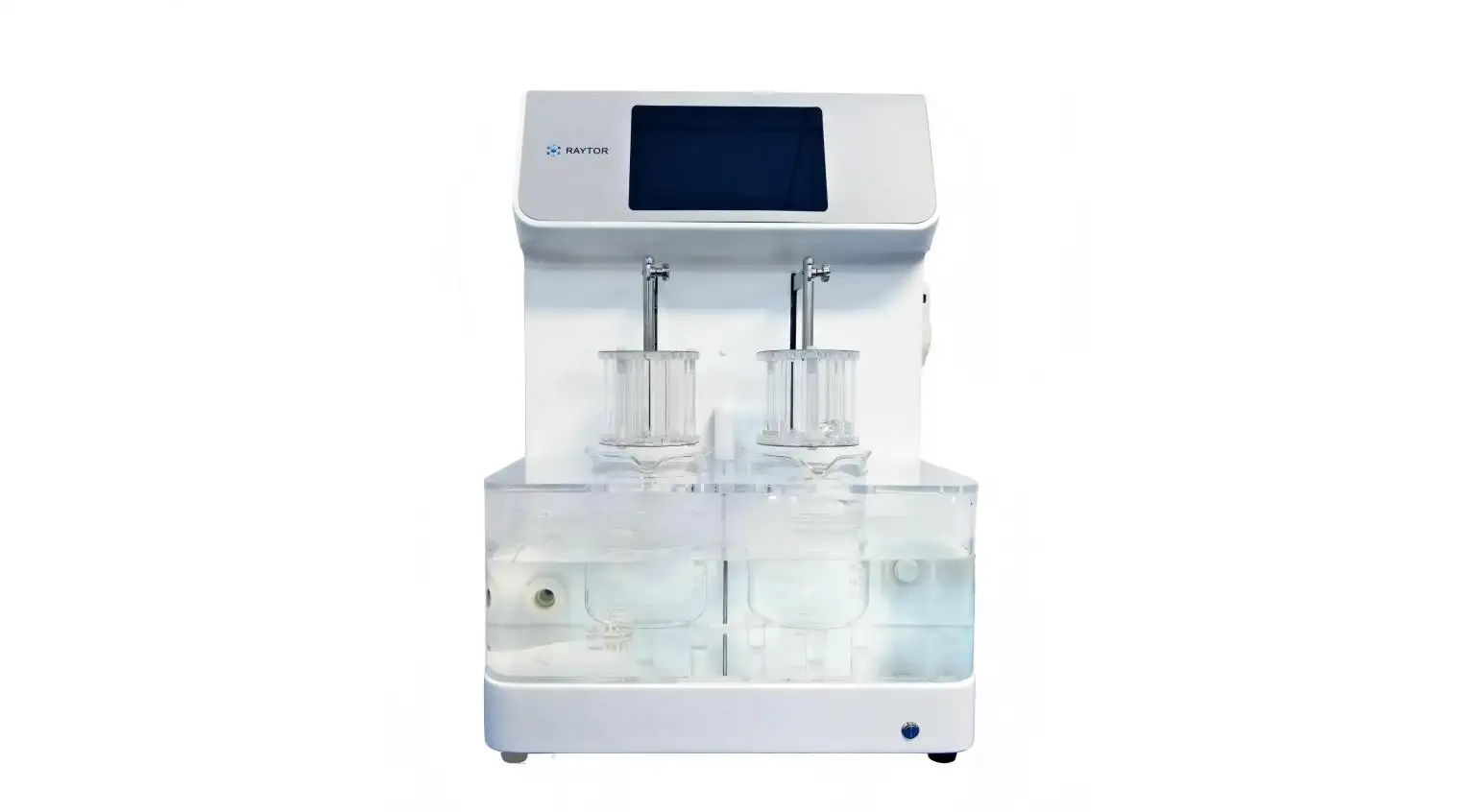
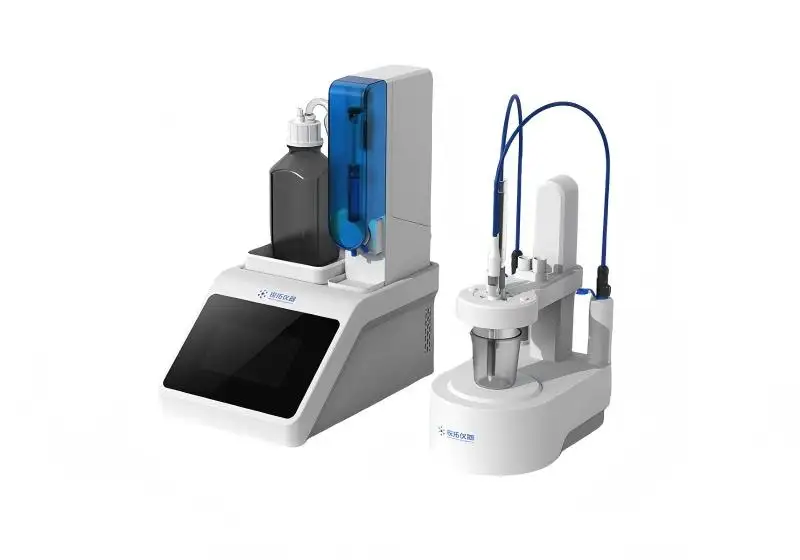
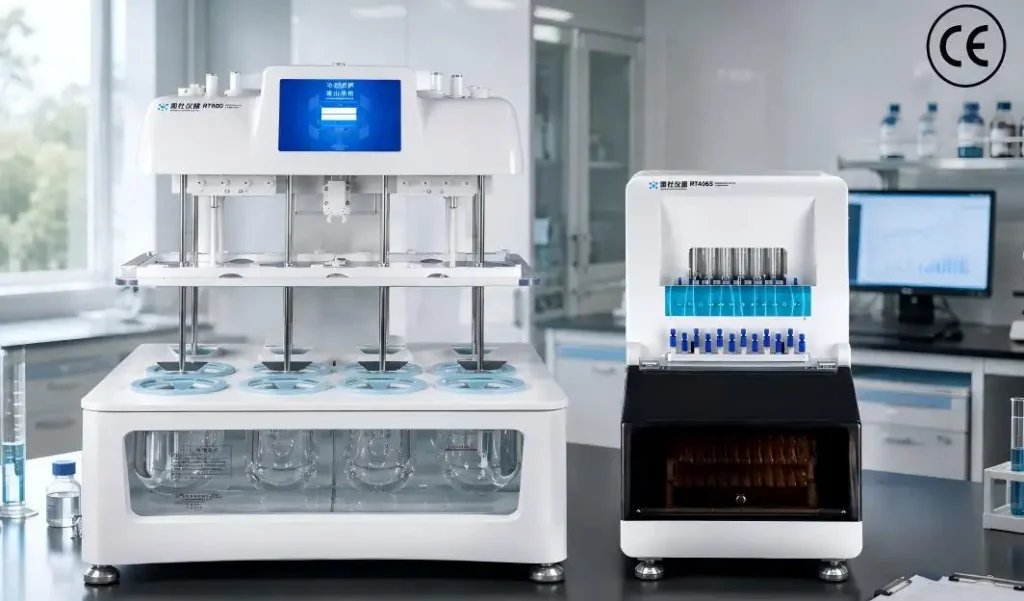
Raytor develops pharmaceutical analytical systems for Chinese, U.S., European, and other national pharmacopoeial workflows. Its technical coverage supports USP Apparatus 1 through 4 requirements, related mechanical-performance testing, solvent handling, and a comprehensive range of dissolution accessories.
Raytor also provides:
• Built-in, user-oriented operating interfaces
• Functions designed to support 21 CFR Part 11 audit requirements
• Accessory options for different dosage-form behaviors
• Rapid customization for non-standard research needs
• Independent pharmaceutical instrument R&D
• Application testing by experienced pharmaceutical specialists
• Technical cooperation with universities and pharmaceutical companies
• Standardized 6S lean production management
For complex Dosage Form Testing, customized accessories should still be evaluated through method-development experiments. They should not be treated as substitutes for scientific method justification.
Preparing for the Next Regulatory Cycle
Diversifying the lab in 2026 will involve juggling many tasks simultaneously. These tasks will be related to updates to the pharmacopeia, apparatus suitability, comparative dissolution, electronic records, and analyst competency.
Labs will have to keep up with ever changing regulations. They can no longer wait until an inspection, a failed method transfer, or the unexpected profile of a release. At Raytor, we offer auxiliary equipment for dissolution testing and customized dissolution solutions, along with support for other solutions. Thus, we are able to help pharmaceutical labs inspect their current procedures and develop adequate testing layouts for the continually changing regulations.
FAQs
Q1. What Dosage Form Testing workflows does Raytor support?
Raytor helps pharmaceutical labs with dissolution, drug release, disintegration, and Dosage unit performance as well as other related analytical testing. Raytor provides solutions used in formulation, quality control, and stability studies, as well as in the verification of methods and comparative dissolution testing.
Q2. Can Raytor meet various pharmacopoeial needs?
Raytor develops pharmaceutical analytical systems to align with the Chinese Pharmacopoeia, United States Pharmacopeia, European Pharmacopeia, and other relevant national standards. That said, labs must confirm the particular monograph, adopted method, and version of the Pharmacopoeia for each product.
Q3. Does Raytor deal with USP Apparatus 1 - 4?
Raytor offers a complete range of dissolution testing to address USP Apparatus 1, 2, 3, and 4. This allows labs to test various formulations of immediate release, modified release, floating release, extended release, and other types of formulations under different shear and hydrodynamic conditions.
Q4. How does Raytor satisfy the requirements of 21 CFR, Part 11?
System functions, including controlled operation, user management, data traceability, and operation record management, are designed to satisfy the audit requirements of 21 CFR, Part 11. However, the final determination of compliance will be based on the laboratory's review of SOPs and access control, as well as the review of audit trails by the users.
Q5. Can Raytor help with qualification of a dissolution apparatus?
Raytor has related mechanical performance testing tools which help labs to assess multiple qualification/performance conditions of a laboratory apparatus. These tools are used to support a structured qualification and performance verification program.